Ukrainian and Serbian Presidents Meet in Belgrade Amid Key EU and Energy Discussions
Zelensky’s visit to Serbia marks a critical dialogue on bilateral ties, EU relations, and energy cooperation impacting British and European markets.
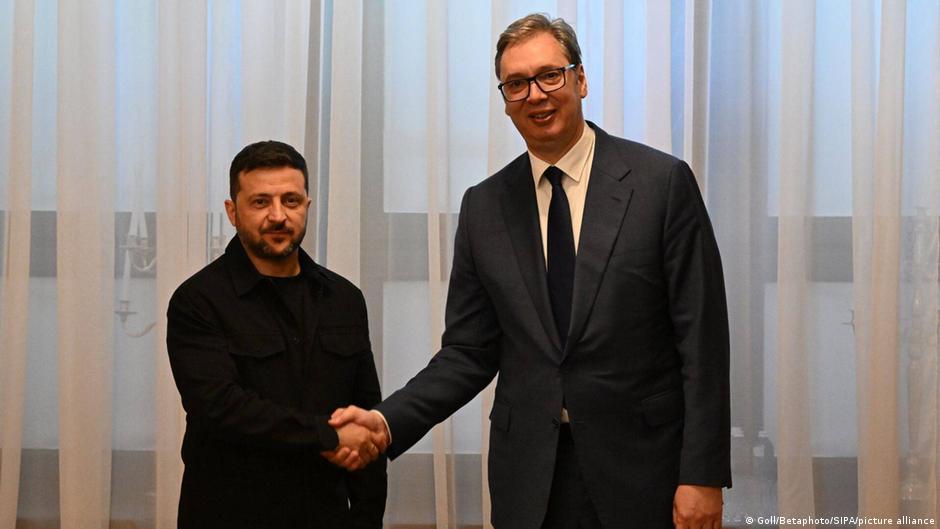
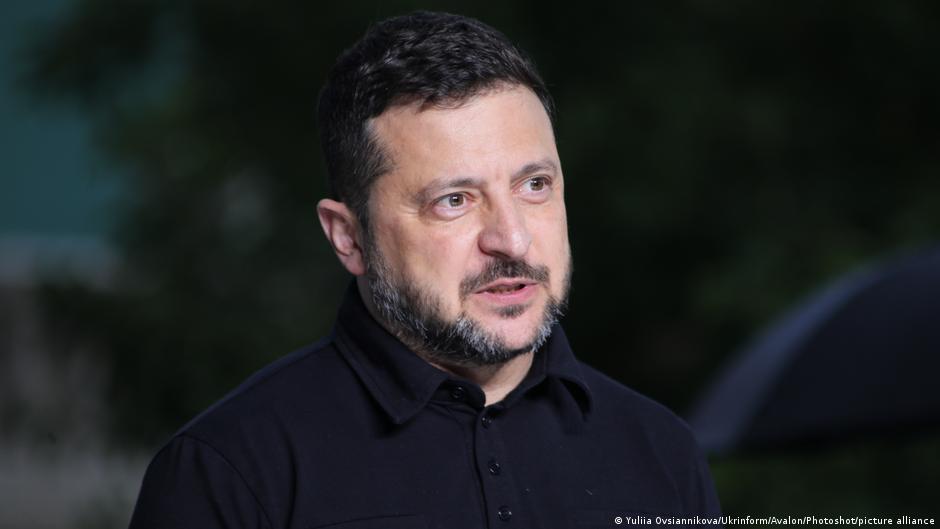
Ukrainian President Volodymyr Zelensky held a dinner meeting with Serbian President Aleksandar Vučić in Belgrade on August 7, marking his first visit to Serbia since the outbreak of the war in Ukraine. The meeting sets the stage for official talks scheduled for August 8 aimed at exploring deeper economic ties, energy cooperation, and security concerns relevant to both nations and the wider European context.
Implications for UK and European Business Interests
The Zelensky-Vučić dialogue comes at a pivotal moment for European energy and economic security. Serbia, historically maintaining close energy links with Russia, has refrained from joining EU sanctions against Moscow, complicating Brussels’ efforts to integrate the country into the European Union. This visit, therefore, holds significant implications for the European Union’s neighborhood policy and the stability of energy supplies to the continent.
From a British perspective, the meeting is also notable. London-based markets and investors monitor developments in Eastern Europe closely, as any shifts in Serbia’s alignment or energy partnerships could affect sterling-sensitive sectors, particularly energy commodities and financial services that support trade flows with the region.
President Vučić emphasized on social media that the visit would boost cooperation in areas of mutual interest, including expanding economic ties and bolstering energy collaboration. Zelensky confirmed that security issues and relations with the European Union would be key discussion points during their official negotiations.
"We began a bilateral conversation in Serbia," Zelensky noted in a brief statement accompanying a joint photo with Vučić, signaling a cautious but constructive approach to dialogue amid ongoing conflict.
Serbia’s balancing act between maintaining its traditional ties to Moscow and pursuing closer relations with Kyiv and Brussels is critical for European policymakers. The British government and EU institutions alike will be watching closely how this visit influences Serbia’s trajectory toward EU accession and energy diversification, which remain priorities for regional stability and market confidence.
Following the official talks on August 8 at the Belgrade presidential palace, both leaders are expected to hold a joint press conference. Zelensky will also meet Serbia’s Prime Minister Đorđe Milić later in the visit, underscoring Kyiv’s intent to deepen engagement at multiple government levels.
Since Russia’s full-scale invasion of Ukraine in 2022, Serbia has maintained a relatively neutral stance, avoiding sanctions on Russia and continuing energy imports. President Vučić has met Russian President Vladimir Putin several times post-invasion, including attending the Victory Day parade in Moscow in 2025, signaling enduring ties that complicate Serbia’s EU aspirations.
In contrast, Ukraine seeks to expand its diplomatic and economic footprint in Southeast Europe as part of its broader strategy to strengthen alliances and reduce dependence on Russian energy. This visit to Belgrade—the first since the conflict started—has been described by some Ukrainian officials as a "slap in the face" for Russia, emphasizing the significance of renewed dialogue between Kyiv and a key European partner.