United Russia Heads for Duma Victory as Europe Questions Vote Legitimacy
Russia’s ruling party is on course for a dominant parliamentary result, reinforcing political continuity watched closely by UK and EU investors.
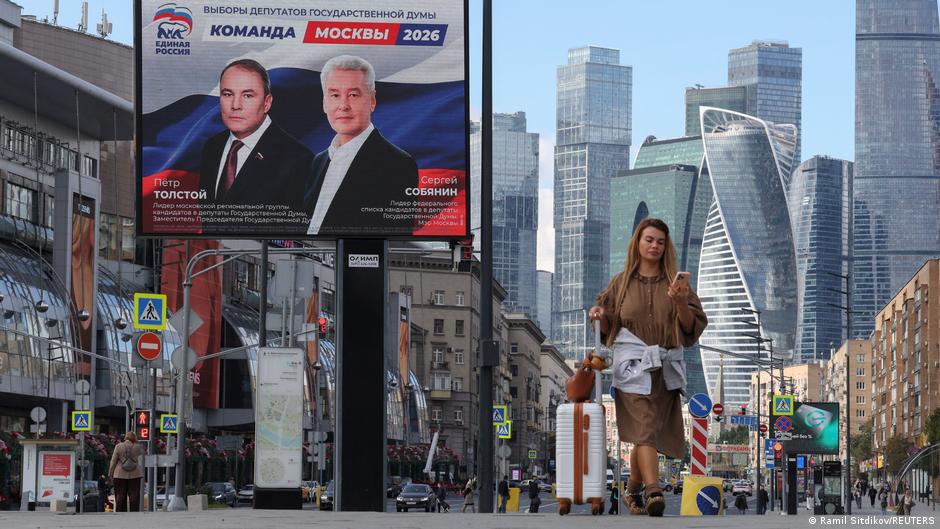
Russia’s ruling United Russia party is heading for victory in elections to the State Duma, according to figures released by the Central Election Commission after 82.19 percent of protocols had been processed. The party was reported to have 57.76 percent of the vote in the election for the ninth convocation of the lower house of parliament.
The result points to a strengthened position for the Kremlin-aligned party at a moment when Britain and the European Union are already assessing Russia through the lenses of sanctions, energy security, defence spending and exposure to geopolitical risk. For London, the immediate business relevance lies less in domestic Russian party arithmetic than in what the result signals: continued policy continuity in Moscow and a political environment likely to remain difficult for European companies, banks and investors with direct or indirect Russian exposure.
According to the commission’s figures, the Communist Party of the Russian Federation was in second place with 13.89 percent. The Liberal Democratic Party of Russia followed with 8.77 percent, while New People stood at 7.97 percent. A Just Russia was reported at 4.99 percent, leaving it at risk of falling below the five percent threshold, based on the same official data.
United Russia also led in 208 of the 225 single-mandate districts. That tally suggests the party of power is set to secure more than the 301 seats required for a constitutional majority in the State Duma. In the previous Duma election in 2021, United Russia received 49.82 percent of the vote.
With 82.19 percent of protocols processed, United Russia was reported at 57.76 percent, ahead of the Communist Party, the LDPR, New People and A Just Russia.
Why London and Brussels Are Watching
The election comes against the background of Russia’s war against Ukraine and an already severe rupture in relations between Moscow and Western capitals. This time, the three-day parliamentary elections were also held in Ukrainian territories occupied by Russia, a point that will be central to the response from European governments and institutions.
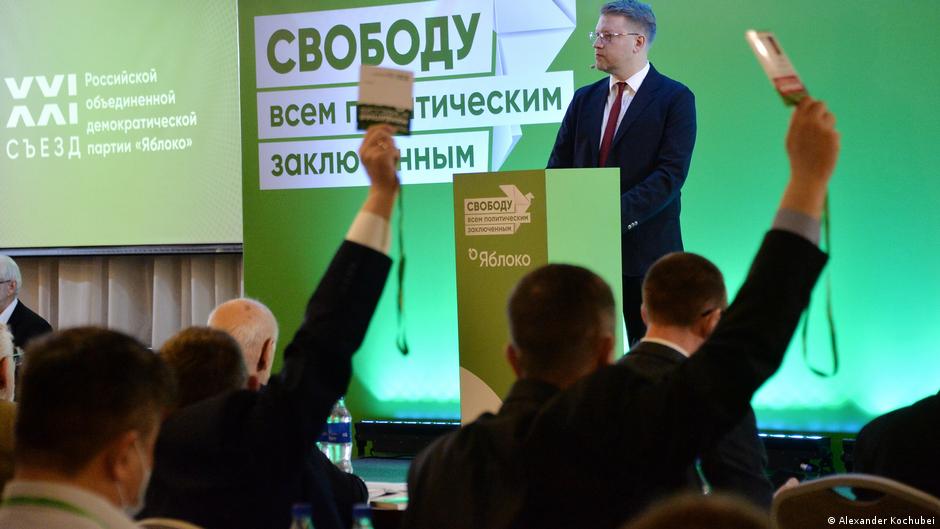
Germany and the European Union criticised the Russian parliamentary vote, pointing to what they described as its staged character and to repression against the opposition. The only major party that had opposed the war, Yabloko, was removed from the election.
For UK and European business readers, the central takeaway is that the reported result reduces any expectation of near-term political change in Moscow’s parliamentary landscape. A larger United Russia majority would reinforce the government’s ability to pass legislation and sustain the domestic political framework around existing policies. That matters for sectors in Britain and Europe that remain sensitive to Russia-related developments, including energy, commodities, defence, shipping, insurance, banking compliance and emerging-market risk.
The sterling angle is indirect but material. The pound is not driven by Russian parliamentary elections in isolation, and the source figures do not provide market pricing or currency moves. However, investors in London typically assess Russian political developments through their potential impact on European security risk, sanctions policy and energy-market volatility. Any increase in perceived geopolitical tension can shape broader risk appetite, which in turn may influence sterling against the euro and the dollar alongside other macroeconomic drivers.
London markets have limited direct Russia exposure compared with the period before the full-scale invasion of Ukraine, but the City remains deeply affected by sanctions enforcement, legal risk, commodity pricing and the financing of companies exposed to eastern Europe. A consolidated parliamentary majority for United Russia would be read by many market participants as another sign that Russia’s policy course is unlikely to soften quickly.
Constitutional Majority in View
The projected seat outcome is politically significant because a constitutional majority gives United Russia the numbers required for major legislative control. The party’s strength in single-mandate districts is especially important: while the national vote share gives a broad picture of party support under the official count, constituency victories determine a large part of the chamber’s final composition.
The reported lead in 208 of 225 districts, combined with the proportional vote, points to a Duma in which the governing party would have a commanding position. That could further limit parliamentary resistance to Kremlin-backed initiatives and maintain the political architecture that Western governments have criticised.
European criticism is likely to remain focused on both the conduct of the election and the inclusion of occupied Ukrainian territories. For Brussels, Berlin and London, the vote’s legitimacy is bound up with the wider question of Russia’s war and the treatment of opposition politics. The removal of Yabloko from the election will sharpen that assessment because it was identified as the only major party campaigning against the war.
For British and EU businesses, the practical implication is not a sudden change in operating conditions but the continuation of a high-friction environment. Compliance teams will continue to monitor sanctions exposure, while investors will weigh political stability in Russia against the legal and reputational risks of any connection to the market. The election data, as released by Russia’s Central Election Commission, therefore matters beyond Moscow: it feeds directly into the risk calculations already shaping boardrooms, trading desks and policy circles across Europe.