US Announces Historic Hamas Disarmament Agreement Amid Middle East Tensions
Trump declares breakthrough deal aimed at Gaza peace; London markets weigh implications for sterling and EU trade stability
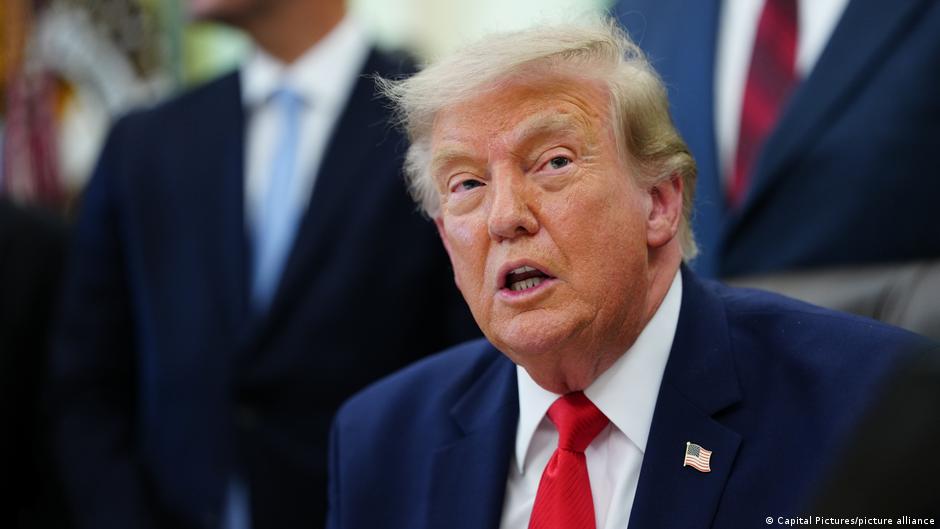
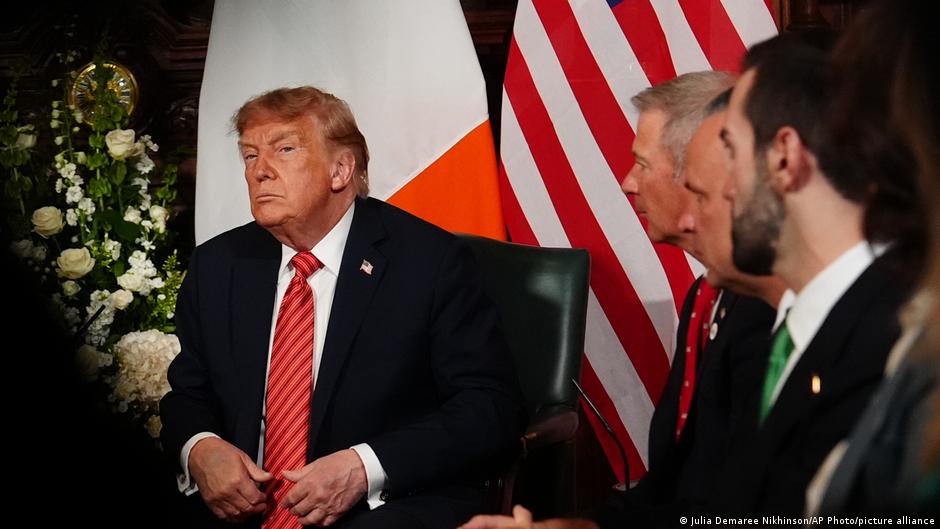
On July 20, US President Donald Trump declared the achievement of a "historic agreement" to fully disarm the Palestinian Islamist group Hamas. The deal marks a critical step toward forming a new Palestinian government in the Gaza Strip, potentially reshaping regional stability with direct impacts on British and European economic interests.
Details of the Agreement and International Mediation
President Trump announced via his social media platform, Truth Social, that the Peace Council had reached a comprehensive agreement on the disarmament of Hamas and other armed factions in Gaza. He described the accord as a "momentous advance toward lasting peace and security." Trump acknowledged the efforts of mediators from Egypt, Qatar, and Turkey, emphasizing that disarmament would be implemented in phases.
"Today the Peace Council has reached a historic agreement for the full disarmament of Hamas and other armed groups in the Gaza Strip. This is a monumental step towards enduring peace and security." — Donald Trump
Hamas officials confirmed the agreement to international media, although Israel has yet to issue an official statement. Talks on the second phase of the US plan, which includes a phased withdrawal of Israeli military forces from Gaza, have been ongoing in Egypt for several weeks. Upon cessation of hostilities, governance of the territory is planned to be transferred to a Palestinian technocratic committee established by the US Peace Council.
Implications for the UK and European Markets
The conflict’s resolution prospects hold significant ramifications for the United Kingdom and the European Union, especially concerning regional security and trade routes. London’s financial markets reacted cautiously, reflecting uncertainty about how stability in Gaza could influence sterling exchange rates and investor confidence.
Given the EU’s close economic and political ties to Israel and Palestine, a reduction in conflict could positively impact energy supplies and trade logistics through the eastern Mediterranean. However, the lack of immediate Israeli endorsement injects a degree of unpredictability, which may sustain volatility in foreign exchange markets including sterling.
British and European companies engaged in defense, infrastructure, and humanitarian logistics in the region will closely monitor implementation phases. The agreement could pave the way for reopening key trade corridors, benefiting EU export-import flows and reducing insurance premiums for shipping routes that pass near Gaza.
Background and Conflict Overview
On October 7, 2023, Hamas launched a large-scale assault on Israel, involving rocket barrages and incursions that resulted in approximately 1,200 civilian deaths and the capture of around 250 hostages. This attack, condemned by the EU and US as terrorism, escalated into a full-scale Israeli military response.
Subsequently, Israel declared war on Hamas, conducting extensive ground operations and airstrikes in Gaza. Palestinian authorities aligned with Hamas reported over 71,000 deaths, though the composition of casualties remains contested. This conflict has severely strained regional stability, impacting global markets due to heightened geopolitical risk.
The newly announced agreement could signal a turning point in this prolonged conflict, with broad implications for peace and economic recovery in the Middle East. For the UK and EU, the prospect of a sustained ceasefire and structured disarmament aligns with broader strategic interests to ensure stability in a volatile region that is critical to global trade and energy security.