US Defense Firms Warn of Risks as Ukraine Seeks License to Produce Patriot Missiles
Raytheon and Lockheed Martin express concerns over potential Ukrainian enhancements to Patriot missiles amid licensing talks.
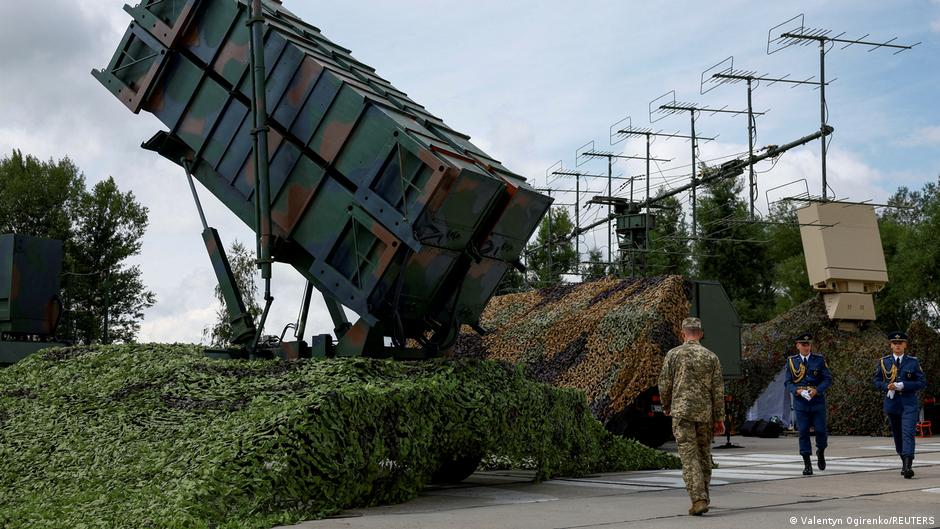
American defence giants Raytheon and Lockheed Martin have voiced apprehensions about Ukraine’s pursuit of a manufacturing license for Patriot missiles. The concerns centre on the possibility that Kyiv, once granted permission, might enhance the interceptor technology and mass-produce the missiles more rapidly and cost-effectively than current US production lines allow.
Implications for UK and European Defence Markets
The potential transfer of technology and production capabilities holds significant implications for British and European interests, particularly given the UK's role as a key NATO ally and London’s status as a global financial hub for defence financing. The ability of Ukraine to manufacture upgraded Patriot missiles locally could shift supply chains, impacting US manufacturers and potentially creating new dynamics in the European defence market.
“If Ukraine gains the license, they may produce enhanced interceptors at scale, faster and more cheaply than US factories currently manage,” a US congressional source told The Atlantic.
These developments come as European nations, many of which rely on US technology for their missile defence systems, watch closely. British defence firms and investors are evaluating the ripple effects on sterling-denominated contracts and joint manufacturing efforts.
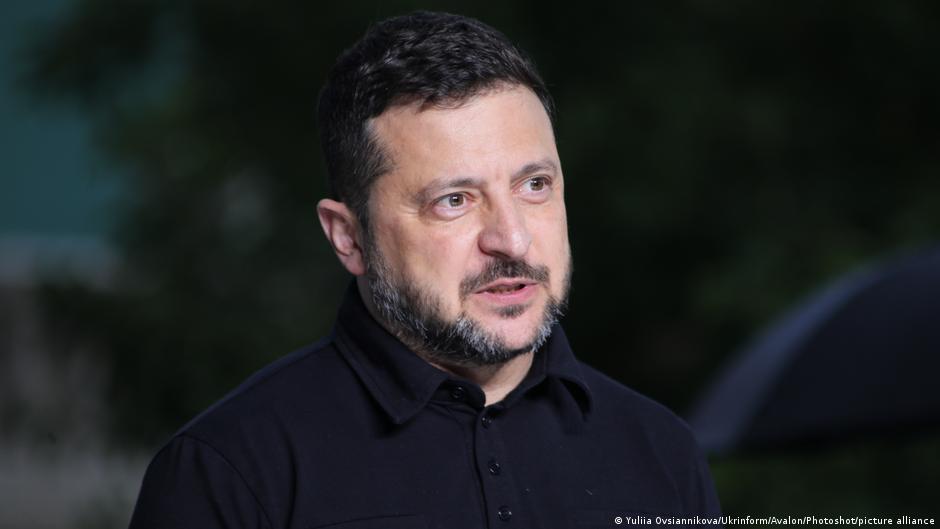
Ukrainian President Volodymyr Zelensky revealed that he requested Patriot missile licenses from the Biden administration during the first year of the conflict. He recalled preliminary agreements during the Trump administration but lamented bureaucratic delays that have slowed the process.
“We are not dealing with paperwork; real missiles that kill people are flying towards us,” Zelensky said, urging both the US and European partners to expedite license approvals. This statement underscores the urgency felt in Kyiv and highlights the geopolitical stakes for the UK and EU, which also collaborate with Ukraine on licence-related matters.
Sources indicate that Ukrainian officials proposed the licensing initiative to top US defence and national security figures, including former Defence Secretary Lloyd Austin and National Security Advisor Jake Sullivan, but were met with unexplained refusals. This hesitancy illuminates US concerns about intellectual property protection and technology transfer risks.
Moreover, Ukraine’s potential to produce surplus Patriot missiles could affect Western defence stockpiles and exports. The possibility that Kyiv might supply allies or even the US itself ahead of conflict resolution presents complex strategic and economic challenges.
In response to inquiries about supplying additional interceptors and long-range missiles, former President Donald Trump remarked that the US itself requires missiles, accusing the Biden administration of depleting US arsenals in aid to Ukraine. He claimed that upon leaving office, American stockpiles were full, but significant quantities had since been expended.
London’s defence sector and investors will be monitoring these developments as they influence transatlantic cooperation and the broader European defence landscape. The intersection of technology, production rights, and geopolitical urgency is shaping the future of missile defence capabilities in the UK, Europe, and beyond.