US-Iran Tensions and Omani Role Heighten Risks for Strait of Hormuz Shipping and London Markets
Trump’s threat to Oman amid stalled US-Iran talks raises concerns over oil supply and sterling volatility in European markets.
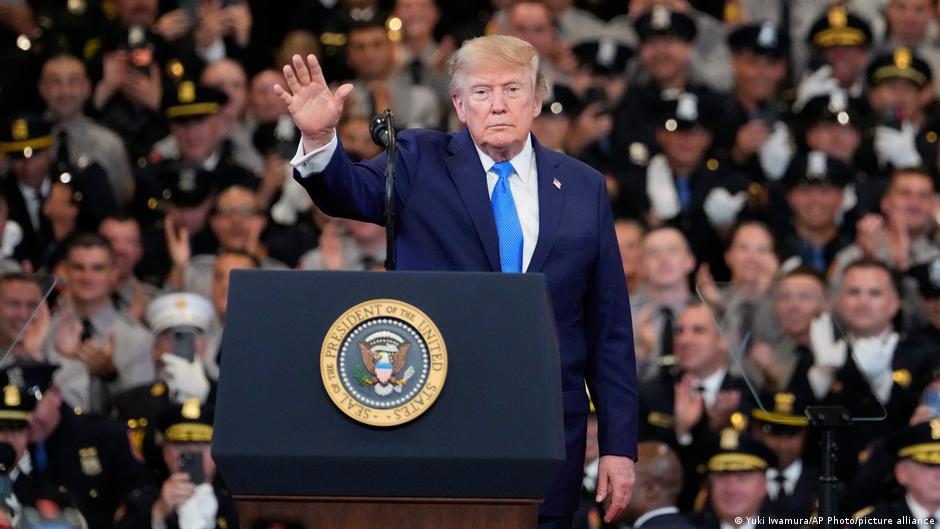
The recent escalation of tensions between the United States and Iran has brought renewed focus on the strategic Strait of Hormuz, a critical artery for global oil shipments that significantly impacts British and European markets. US President Donald Trump issued a stark warning to Oman on August 17, threatening military action if the Sultanate interferes with Washington's negotiations with Tehran concerning control over the strait.
Implications for UK and European Energy Security
Oman has been engaged in talks with Iran over joint oversight of shipping through the Strait of Hormuz, through which approximately 20% of the world's oil supplies passed prior to the recent conflicts. These negotiations have yet to yield agreement, amidst rising hostilities that threaten to disrupt the flow of crude vital for European and UK energy needs.
"If Oman gets in the way, the US will bomb the nonsense out of them," Trump stated in an interview with Fox News, underscoring the high stakes for regional stability and international shipping lanes.
The expiration on August 17 of a 60-day memorandum of understanding, signed by Trump during the G7 summit in June, marked a critical juncture. This agreement aimed to facilitate dialogue between the US and Iran on sanctions, Iran’s nuclear program, and related issues. However, with no breakthrough and renewed military engagements, the risk of supply shocks looms large.
Hostilities have escalated since July, with Iran attacking several vessels in the strait and the US conducting airstrikes on Iranian targets. These developments jeopardize the uninterrupted supply of oil to London’s energy markets and may contribute to sterling volatility as investors react to geopolitical uncertainties.
Regional Diplomacy and Market Reactions
In a parallel diplomatic move, Turkish President Recep Tayyip Erdogan urged continued US-Iran negotiations during a recent call with Trump, proposing Ankara as a mediator to de-escalate tensions. Erdogan’s outreach highlights the broader regional and economic ramifications for Europe and the UK, which rely heavily on stable energy imports from the Gulf.
Market analysts in London are closely monitoring developments, concerned that disruptions in the Strait of Hormuz could drive oil prices higher, impacting inflation and energy costs across the continent. Sterling’s performance may also be affected by broader risk sentiment linked to Middle Eastern instability.
As the situation unfolds, UK and European stakeholders are poised to advocate for sustained diplomatic efforts to secure energy routes and mitigate the economic fallout from these geopolitical confrontations.