US Lifts Strait of Hormuz Blockade, Boosting Oil Flows and Impacting UK-EU Energy Markets
Following the US decision to end the Strait of Hormuz blockade, key oil shipments resume, influencing sterling and European energy market stability.
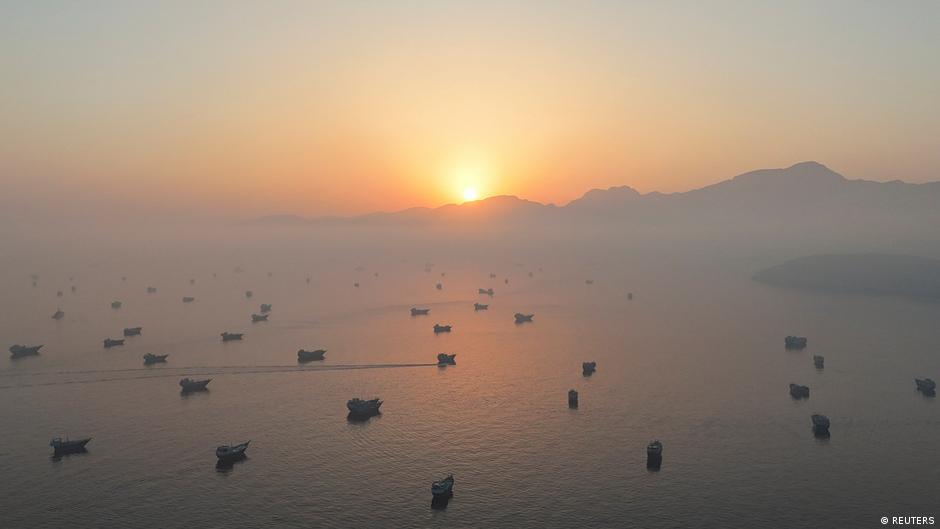
The United States has officially ended its blockade of the Strait of Hormuz, a crucial maritime passage for global oil trade, according to the US Central Command (CENTCOM). This development marks a significant shift in Middle Eastern geopolitics, with considerable implications for British and European energy security and market dynamics.
Resumption of Oil Shipments and Market Implications
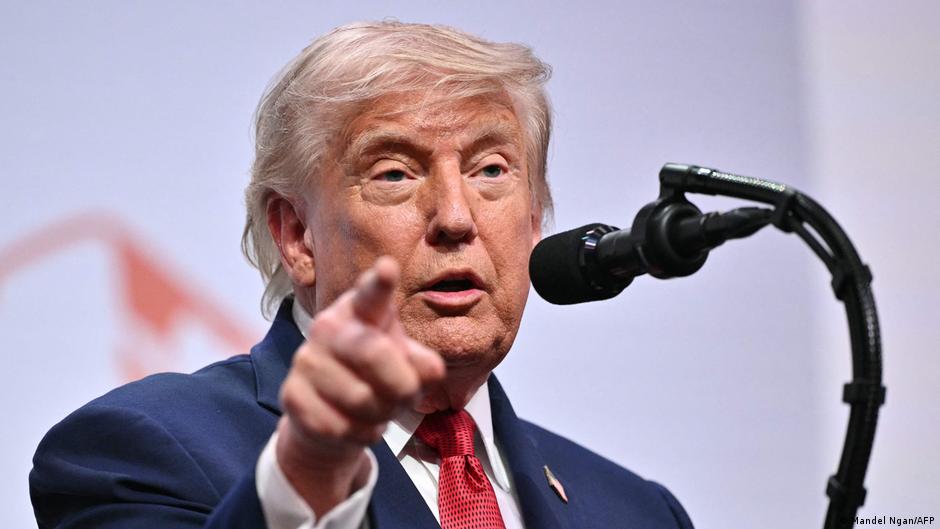
The US military announced that it will no longer impede vessels entering or leaving Iranian ports through the Strait, a move enacted under the directive of President Donald Trump. CENTCOM stated: "All US armed forces' actions to enforce the blockade have ceased. Our powerful naval forces will remain in the area to ensure full compliance with all terms of the agreement."
US Vice President David James Vance highlighted that in the 24 hours following the lifting of the blockade, tankers carrying approximately 12.5 million barrels of oil traversed the strait. This volume is the highest recorded since conflict escalations began in late February, involving US and Israeli actions against Iran.
The reopening of this vital shipping route is expected to stabilize oil supply chains critical to the UK and European Union, potentially easing pressure on global oil prices and reducing volatility in the sterling exchange rate linked to energy market uncertainties.
"The immediate resumption of oil flow through the Strait of Hormuz is a positive sign for energy markets, underpinning supply security for the UK and Europe," said an energy market analyst.
Diplomatic Progress and Future Outlook
The blockade's removal coincides with a new 60-day negotiation period initiated following a remotely signed memorandum of understanding between Washington and Tehran. The document outlines a framework for a comprehensive peace agreement, including a ceasefire, lifting of maritime restrictions, and the resumption of normal shipping activities.
Initially planned for a face-to-face meeting in Switzerland in July, the expedited signing reflects a mutual desire to quickly restore stability in the region. The memorandum comprises 14 provisions, notably the lifting of US oil sanctions on Iran and withdrawal of American troops from proximate areas.
For the UK and EU, this diplomatic thaw could translate into enhanced energy cooperation and investment opportunities. The agreement includes a private investment fund of $300 billion dedicated to Iran’s reconstruction, unlocking $24 billion in Iranian assets, and commits Iran to refrain from pursuing nuclear weapons development.
Market participants in London have noted cautious optimism, as the announcement reduces geopolitical risk premiums previously priced into oil futures and sterling currency valuations.
While the situation remains fluid, the reopening of the Strait of Hormuz and concurrent diplomatic engagement signal a potential pivot point for British and European business interests reliant on Middle Eastern energy resources.