US Military Death Toll in Iran Conflict Rises to 17, Prompting UK and EU Security Concerns
Additional US fighter jets deployed from UK and Germany as tensions with Iran escalate in the Middle East.
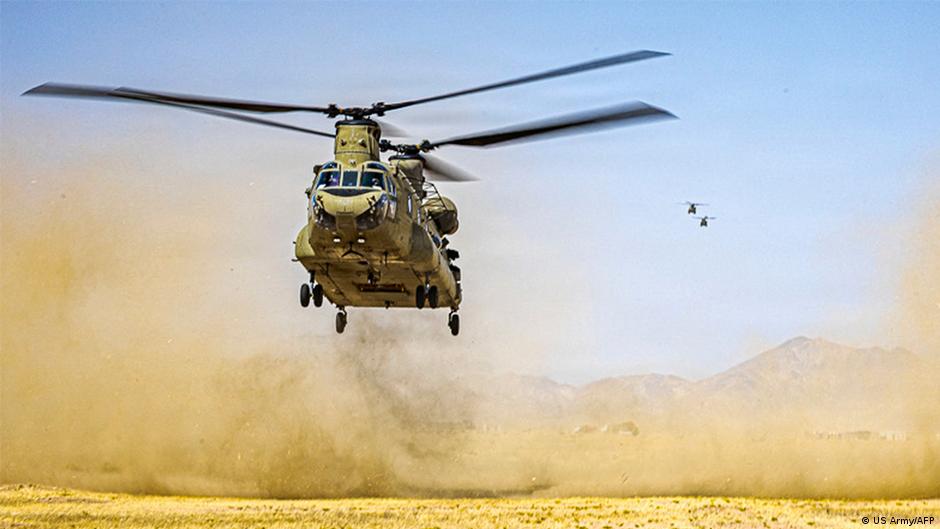
The number of US military personnel killed in the ongoing conflict with Iran has reached 17, following the death of another American servicemember during a controlled detonation of unexploded Iranian munitions in northern Iraq, according to the US Central Command (CENTCOM).
The latest fatality occurred on July 18, when an American soldier died while safely disposing of ordnance linked to a downed Iranian drone. Another servicemember sustained minor injuries and is receiving medical treatment. This brings the confirmed US military death toll in the Iran conflict to 17.
Earlier, two US servicemembers were killed in an Iranian missile strike on a Jordanian airbase on July 17, with one American initially reported missing in action. Subsequent searches have reportedly uncovered unidentified remains, potentially belonging to the missing soldier, as reported by major US newspapers citing anonymous officials.
US Military Buildup and Strategic Impact on UK and European Interests
On July 18, the US launched additional strikes against Iran's Islamic Revolutionary Guard Corps (IRGC), citing a need to 'punish' Tehran for the recent attacks and to weaken Iran's ability to threaten commercial shipping in the strategically vital Strait of Hormuz. Iran retaliated with missile strikes targeting US military bases in Kuwait.
"The key objective remains unchanged—to never allow Iran to obtain nuclear weapons," said US President Donald Trump in a phone interview, underscoring the administration's resolve amid rising regional tensions.
In response to escalating hostilities, the US is reinforcing its military presence in the Middle East. According to reports from The Wall Street Journal and The New York Times, fighter jets including F-16s are being redeployed from the Spangdahlem Air Base in Germany, and F-35 jets from RAF Lakenheath in the United Kingdom, along with aerial refueling tankers, are en route to the region.
This redeployment directly involves the UK and Europe, highlighting London’s strategic role and raising concerns about the impact on sterling and European security. The increased US military footprint in the Middle East amid instability in oil transit routes could affect global energy markets and trade flows, both critical to British and European economies.
London markets have reacted cautiously as geopolitical risks mount. Investors are monitoring sterling’s sensitivity to global risk sentiment and the potential disruption of oil supplies through the Strait of Hormuz, a conduit for a significant portion of Europe’s energy imports.
European policymakers are closely watching developments, balancing support for US-led security initiatives with diplomatic efforts to deescalate tensions in the Gulf region.