US Missile Strike on Cargo Ship in Strait of Hormuz Raises Concerns for UK and EU Trade
American forces disabled a Panama-flagged container ship attempting to breach Iran blockade, impacting shipping routes crucial to British and European markets.
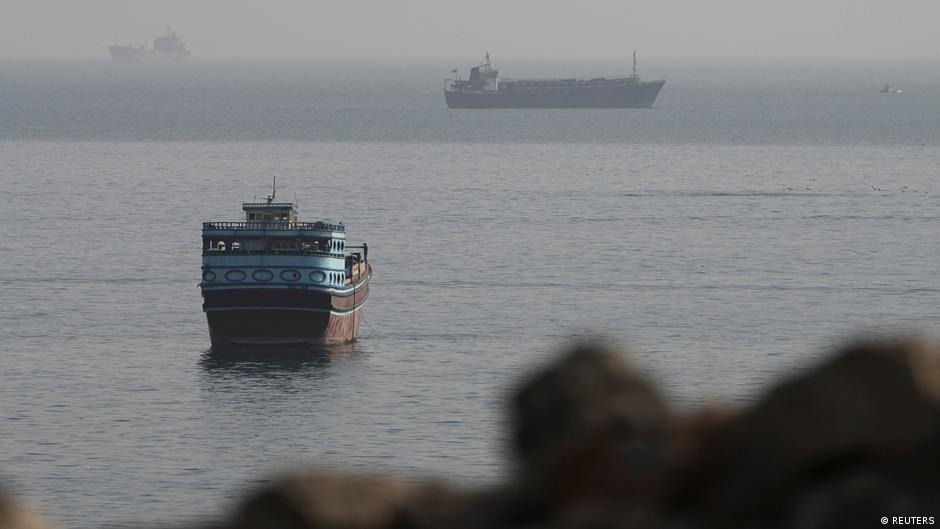
On August 11, US military forces launched a missile attack targeting the steering system of the Panama-flagged container ship M/V Vela Nova, which sought to breach the American blockade of Iran by attempting to enter an Iranian port via the Strait of Hormuz. This development has significant implications for freight traffic through one of the world’s most critical maritime chokepoints, directly affecting UK and European trade interests.
Impact on London and European Shipping Markets
The Strait of Hormuz is a vital artery for global energy and goods transit, with a substantial share of British and European imports and exports passing through this corridor. The disruption caused by US military actions and Iran’s increasingly stringent conditions for reopening the strait have generated uncertainty among shipping operators and traders in the region.
"The United States has reiterated its control over the Strait of Hormuz, signaling a firm stance that could heighten tensions and disrupt supply chains affecting London and EU markets," said a maritime analyst familiar with the area.
According to the US Central Command (CENTCOM), the M/V Vela Nova ignored multiple warnings before a US Navy MH-60 helicopter fired two Hellfire missiles, disabling the ship’s steering. CENTCOM also reported rerouting 55 commercial vessels attempting to breach the blockade, disabling three such ships, and boarding two others as of August 11.
Recent maritime tracking data indicated the Vela Nova was last recorded on August 6 in India’s port of Navi Mumbai (Nava Sheva), highlighting the vessel’s ongoing attempts to navigate contested waters. The attack underscores the risks facing commercial vessels navigating near Iranian waters, with potential knock-on effects on freight rates and insurance premiums impacting UK and European importers and exporters.
Geopolitical Ramifications for UK and EU Trade
US President Donald Trump emphasized America’s dominance over the Strait of Hormuz, stating, "We fully control the Strait of Hormuz," and warned Iran against any aggressive actions. In response, Iran's government has set forth new demands to reopen the strait, including compensation for prior conflicts and the lifting of US sanctions.
For British and European businesses reliant on uninterrupted access to Middle Eastern energy supplies and trade routes, the situation introduces additional uncertainty. Prolonged tensions risk escalating shipping delays and supply chain disruptions, which could exert inflationary pressures on energy prices and commodity costs within the UK and the European Union.
London’s financial and shipping sectors are closely monitoring these developments, given the potential impacts on sterling exchange rates and market volatility stemming from geopolitical instability in the Gulf region.
As the US enforces a strict blockade and Iran demands concessions, the stability of this crucial maritime corridor remains precarious. Stakeholders across the UK and Europe are urging diplomatic efforts to de-escalate tensions and ensure free passage for commercial shipping to safeguard economic interests.
In summary, the US missile strike on a commercial vessel attempting to enter Iranian ports marks a significant escalation with far-reaching consequences for British and European maritime trade, emphasizing the need for vigilance and coordinated responses in affected markets.