US Plans to Declare Strait of Hormuz American Territory Amid Ongoing Tensions
Trump's statement on claiming the Strait of Hormuz raises concerns over extended US military presence and impacts on UK and EU energy markets.
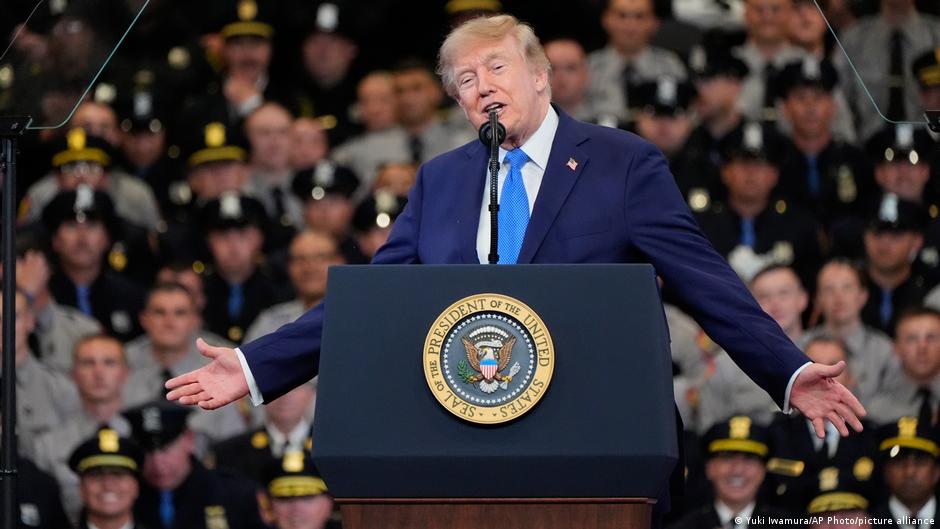
US President Donald Trump announced plans to declare the Strait of Hormuz as United States territory following a decisive victory over Iran, potentially requiring a permanent military deployment in the strategic waterway. This declaration has significant implications for British and European interests, especially considering the vital role the strait plays in global oil shipments and energy security.
Strategic Importance and Market Reactions
The Strait of Hormuz is a crucial maritime chokepoint through which a significant portion of the world's oil supply passes, directly affecting the UK and European energy markets. Any assertion of US sovereignty over the strait disrupts the established international maritime order and raises concerns about the stability of oil exports. The ongoing tensions have already contributed to reduced global oil supplies, putting upward pressure on prices and creating volatility in sterling as the City of London monitors geopolitical risks impacting trade and finance.
"Such a move implies a permanent US military presence in the region, which contradicts earlier assurances of a short conflict and risks destabilizing global energy markets," analysts noted.
President Trump claimed that American forces currently control the Strait of Hormuz, effectively blocking Iranian ports. However, Iran denies US control and asserts its own blockade in response to US and Israeli military actions against Tehran since February. Tehran has also issued demands for sanctions relief and war compensation before reopening the strait to commercial shipping.
Prior to this, Trump had expressed ambitions to assert US control over other strategic territories like Greenland and the Panama Canal, underscoring a pattern of territorial and economic assertiveness that concerns European allies dependent on free and open trade routes.
Implications for UK and EU Energy Security
For the UK and EU, the prospect of the US asserting sovereignty over the Strait of Hormuz complicates diplomatic and economic calculations. The prolonged military presence required to enforce such a claim risks escalating conflict with Iran and further disrupting energy supplies. Europe, striving to diversify energy sources and reduce reliance on volatile regions, faces challenges as oil prices fluctuate. The sterling has shown sensitivity to geopolitical instability, reflecting investor concerns about potential supply chain shocks and inflationary pressures.
European businesses operating in energy and shipping sectors must prepare for continued uncertainty. The London market, as a global financial center, is closely watching these developments, with potential impacts on commodity trading, insurance costs, and investment flows.
Iran’s Deputy Foreign Minister, Qasem Garibabadi, rejected US threats, emphasizing Iran’s resilience against coercive tactics. The standoff underscores the fragility of peace in the region and the risks associated with unilateral territorial claims by external powers.
As the conflict persists, stakeholders in the UK and EU continue to advocate for diplomatic solutions that ensure uninterrupted maritime traffic through the Strait of Hormuz, vital for global economic stability.