US Postpones EU Car Tariff Hike Until July 4, Easing Pressure on UK and European Markets
President Trump delays planned 25% tariffs on European autos amid ongoing trade negotiations, offering temporary relief to UK and EU exporters.
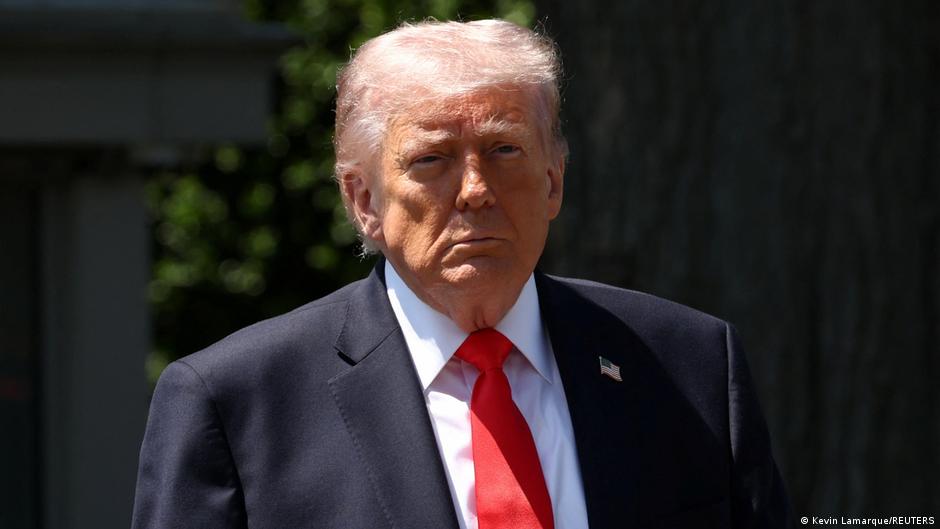
In a significant development for UK and European automotive exporters, US President Donald Trump announced a postponement of the proposed increase in tariffs on vehicles imported from the European Union (EU) until July 4. This decision follows what Trump described as a "remarkable phone call" with European Commission President Ursula von der Leyen, signaling ongoing dialogue and tentative progress in transatlantic trade relations.
Temporary Respite for British and European Carmakers
Initially scheduled for implementation in early May, the US had planned to increase tariffs on passenger and commercial vehicles imported from the EU to 25%. This move threatened to disrupt trade flows and potentially impact sterling and the London market, given the strong ties between UK automotive exports and the US market.
Trump's decision to delay the tariff hike until July 4 provides a window for further negotiations and could help stabilise currency volatility and investor concerns in London and across European financial centres. The delay also reflects the administration's willingness to encourage compliance with a broad trade pact reached between the US and EU in September 2025.
"I have patiently waited for the EU to fulfill its part of the historic trade agreement signed in Turnberry, Scotland, the largest trade deal ever," Trump stated on his social media platform. "They promised to reduce their tariffs to zero. I agreed to give them time until our nation's 250th anniversary—otherwise, their tariffs will immediately rise to a much higher level."
President von der Leyen echoed this sentiment, describing the call with Trump as "very good," affirming that both sides remain "fully committed to implementing" the trade agreement. She also noted "good progress towards tariff reductions by early July," highlighting the intention to avoid escalating trade tensions.
Implications for UK and EU Businesses
The original agreement envisaged a retroactive reduction of US tariffs on European cars from 27.5% to 15%. In return, the EU committed to removing tariffs on all American industrial goods and opening its markets to a wider range of US products, including seafood, dairy, pork, and soybean oil.
The uncertainty surrounding specific compliance issues cited by the US has kept London traders and EU exporters cautious. However, the postponement offers a breathing space to manage risks related to sterling fluctuations and trade disruptions.
Markets in London responded cautiously but positively to the news, with analysts suggesting that avoiding an immediate tariff hike could prevent a short-term shock to British exporters heavily integrated into EU automotive supply chains. Moreover, for UK firms benefiting from the EU trade framework post-Brexit, this development underscores the importance of stable transatlantic relations.
As the July 4 deadline approaches, British and European businesses will be closely monitoring negotiations between Washington and Brussels. The stakes remain high for the UK economy, given its role as a hub for automotive manufacturing and financial services supporting trade finance.