US Senate Passes Broad Sanctions on Russia, Signaling Strong Transatlantic Unity
New US sanctions targeting Russian energy exports and oligarchs draw praise from EU and Ukraine amid ongoing conflict
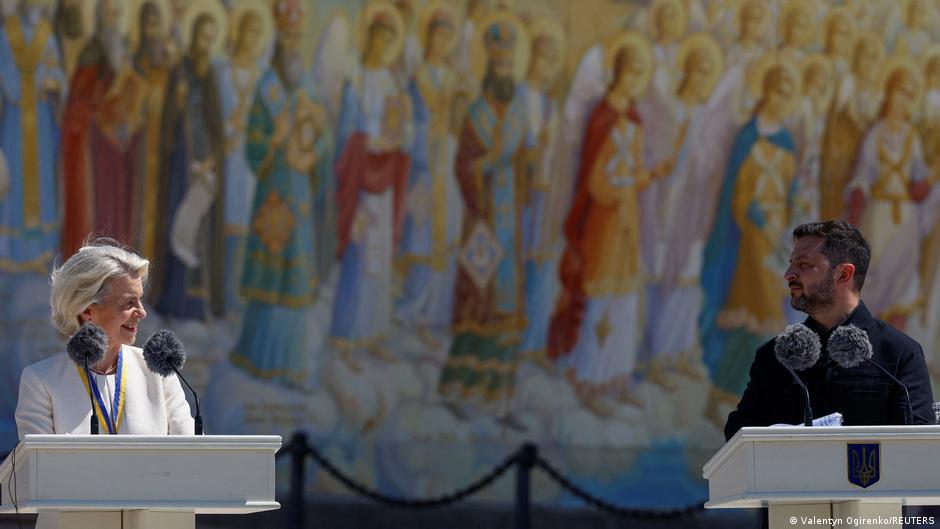
The United States Senate has approved a comprehensive sanctions package targeting Russia's political elite, financial institutions, and energy sector, underscoring renewed transatlantic cooperation amid the ongoing conflict in Ukraine. The legislation, named after the late Senator Lindsey Graham, aims to curtail Russia's financial resources fueling the war and has garnered significant support from both the European Union and Ukraine.
Implications for the UK and European Markets
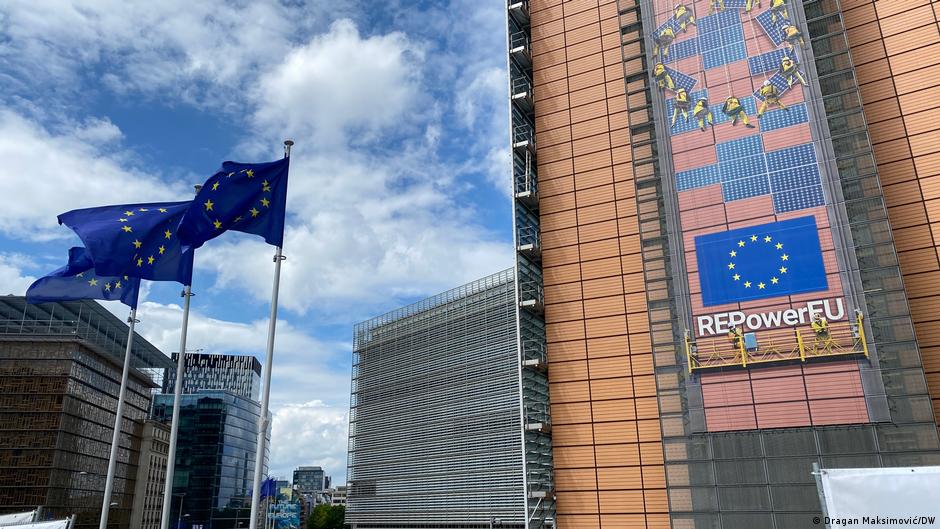
European Commission President Ursula von der Leyen welcomed the Senate's decisive vote, highlighting the alignment between the EU and the US in exerting economic pressure on Russia. The sanctions include measures against Russia's "shadow fleet"—vessels used to circumvent energy export restrictions—and impose levies of up to 100% on goods from countries heavily reliant on Russian oil and gas.
"Together, Europe and the United States can demonstrate the strength of historic partnerships when acting in unison," von der Leyen asserted on the social media platform X, emphasizing the importance of coordinated action to deprive Russia of means to continue its war effort.
For the UK, which has already imposed its own sanctions, these developments may influence sterling and London's financial markets by recalibrating risk perceptions associated with Russian-linked assets and companies. London’s stature as a global financial center could see increased activity related to compliance advisory, asset freezes, and capital flow monitoring. Moreover, potential disruptions in European energy supply chains may have ripple effects on commodity prices and investor sentiment in the City.
"Let's jointly deprive Russia of the means to continue a war it cannot win," Ursula von der Leyen declared.
Meanwhile, the sanctions package includes exemptions for countries sourcing less than 15% of their natural gas from Russia and actively reducing dependence, reflecting sensitivity to the differing energy profiles within the European continent.
Political and Economic Context
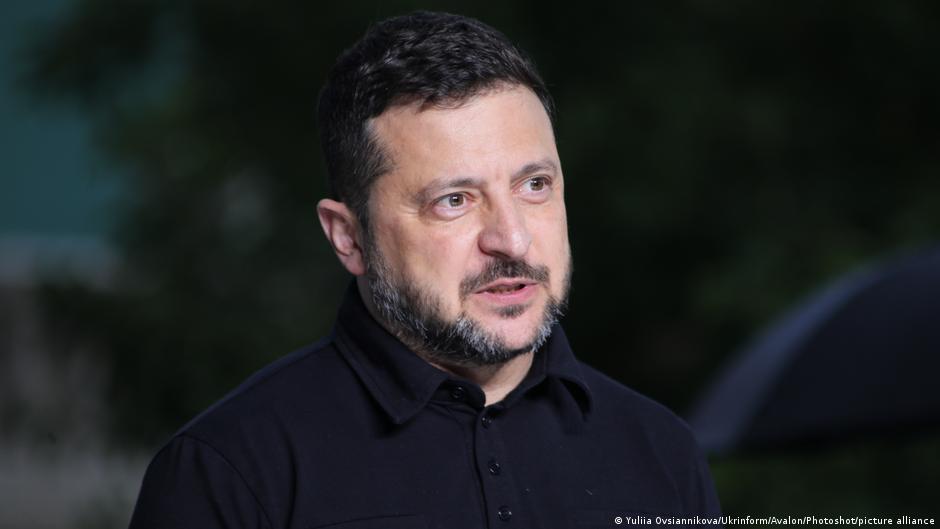
Ukrainian President Volodymyr Zelensky expressed gratitude to the US Senate, describing the legislation as a vital step towards increasing pressure on Russia to end its aggression. However, he underscored Ukraine's critical need for additional Patriot missile systems to defend against escalating ballistic missile threats—a provision complicated by recent US administration decisions.
The sanctions bill passed the Senate with an overwhelming majority—86 votes in favor and 11 against—but its progression to the House of Representatives is anticipated after the summer recess. If enacted, the measures will target not only President Vladimir Putin and key officials but also oligarchs and financial institutions facilitating the Kremlin’s financial networks.
Notably, the legislation empowers the US President to impose tariffs up to 100% on imports from countries that are substantial buyers of Russian energy, signaling a strategic leverage tool that could affect global trade flows and energy markets—a development closely watched by London-based financial analysts and European policymakers alike.
Senator Lindsey Graham, who championed the sanctions legislation for over a year until his passing in July, left a legacy of strong bipartisan commitment to countering Russian aggression through economic means.