US Special Envoy Travels to Switzerland for Iran Nuclear Talks Impacting UK-EU Markets
Washington and Tehran resume nuclear deal negotiations amid regional tensions, influencing sterling and London financial sector.
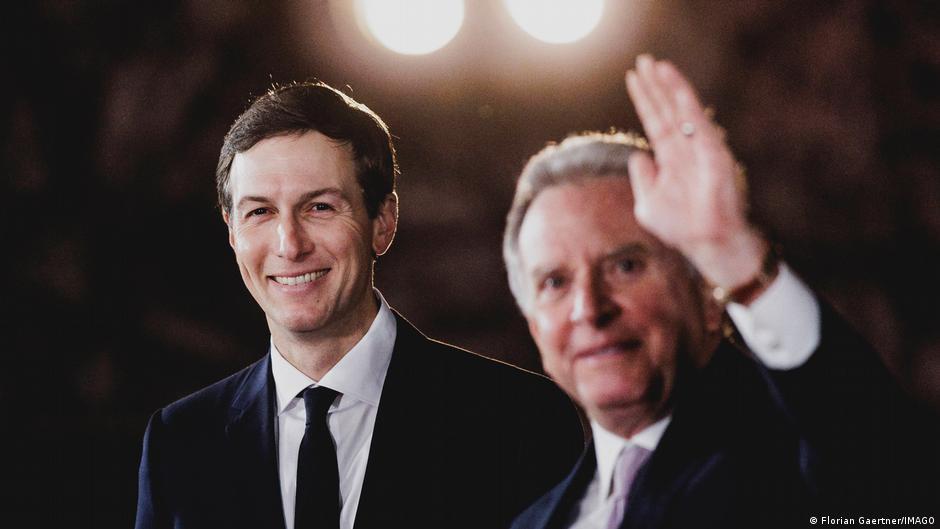
The US special envoy, Stephen Witkoff, has flown to Switzerland to engage in nuclear deal negotiations with Iranian representatives, a move closely monitored by British and European markets given its potential impact on regional stability and global trade.
Diplomatic Developments and Market Implications
Originally scheduled for 19 June, the talks between the United States and Iran were postponed amid ongoing hostilities in southern Lebanon, involving Israeli forces and the Iran-backed Lebanese Shiite militant group Hezbollah. Despite a memorandum of understanding being signed remotely on 17 June, in-person negotiations were deferred due to the volatile situation on the ground.
According to sources, Qatar’s Prime Minister Sheikh Mohammed bin Abdulrahman Al Thani, a key mediator between Washington and Tehran, arrived in Switzerland on 19 June. Iranian Foreign Minister Abbas Araghchi was expected to join on 20 June, though his attendance remains uncertain.
"Iran has emphasized the 'critical importance' of a ceasefire in Lebanon before proceeding with negotiations," a diplomatic source revealed.
This insistence on regional calm reflects Iran’s objective to secure a sustainable truce as a precondition for discussions. The memorandum includes provisions for a comprehensive ceasefire across conflict zones, including Lebanon, and initiates a 60-day negotiation window to finalize a peace agreement.
US President Donald Trump publicly blamed Iran for the postponement, asserting on social media that the US remains firm on denying Tehran any funds, despite the memorandum’s stipulation of up to $300 billion in private investment funds for Iran’s reconstruction, alongside the release of $24 billion in Iranian assets.
For the UK and EU economies, the resumption of talks carries significant implications. Stability in the Middle East affects oil supply routes and energy prices, which in turn influence sterling's exchange rates and London's financial market performance. Traders and investors in London are closely watching developments, as any progress or setback could ripple across global markets.
Additionally, the involvement of European intermediaries and the focus on diplomatic engagement align with the UK and EU’s interests in maintaining regional security and safeguarding trade routes vital to European energy and commerce.
While the US Vice President David James Vance initially declined to attend the Swiss meeting, his possible arrival over the weekend remains uncertain, adding further unpredictability to the negotiations’ outcome.
The British financial sector, already sensitive to geopolitical risks, anticipates that a successful agreement could ease tensions, stabilize energy markets, and boost investor confidence. Conversely, prolonged uncertainty may keep sterling volatile and dampen market sentiment in London and across Europe.