US Supreme Court Permits Trump to Continue White House Ballroom and Bunker Construction
The ruling allows President Trump to proceed with White House renovations, impacting international diplomatic and security considerations.
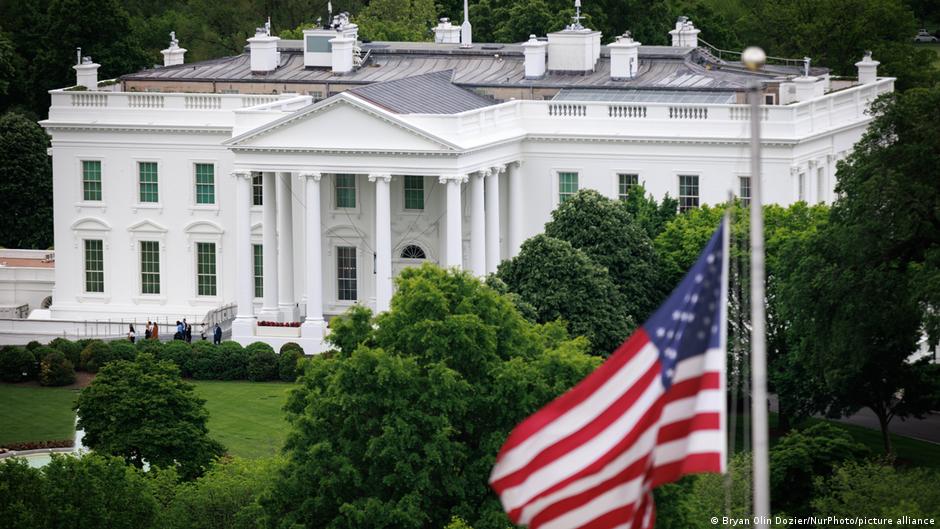
The United States Supreme Court has authorized President Donald Trump to continue the reconstruction of the White House, a development with potential implications for British and European diplomatic interests in Washington. The renovation project includes the construction of a new ballroom and a military bunker within the presidential residence.
Legal Battle Over White House Renovation
On August 21, Chief Justice John Roberts temporarily blocked lower court rulings that had ordered a halt to the extensive refurbishment efforts. Previously, the U.S. Court of Appeals in Washington had restricted the project, ruling that the current administration does not possess "unlimited authority" to redesign and rebuild the White House according to the president’s personal plans.
The Trump administration challenged this ruling, emphasizing the strategic importance of the planned facilities. President Trump described the complex as "the greatest structure of its kind," underscoring its significance for national security.
Last year, without Congressional approval, President Trump ordered the demolition of the historic East Wing to make way for the ballroom and bunker. This move raised concerns among international observers given the White House’s symbolic and functional role in U.S. governance and global diplomacy.
Implications for UK and European Interests
The White House renovation is more than a domestic matter; it resonates with European and British interests, particularly with London’s financial markets closely monitoring political stability and security developments in Washington. The expansion of secure facilities could alter the operational dynamics of White House diplomacy, affecting how European diplomats engage with the U.S. administration.
"The modernization of the White House's strategic infrastructure reflects a shift in U.S. policy priorities that European and UK stakeholders should watch closely," said an expert on transatlantic relations.
Furthermore, the planned transformation of the Washington landscape includes President Trump’s proposal to reconstruct the Reflecting Pool area, erecting a 76-meter triumphal arch nearly three times taller than Berlin’s Brandenburg Gate. This monumental project may influence the city’s historic vistas and the symbolic interaction between U.S. and European capitals.
London-based financial analysts are also evaluating the potential impact of these developments on the British pound and EU markets, given the interconnected nature of transatlantic trade and security alliances. Stability in Washington remains a key factor for investor confidence in sterling and euro assets.
As the Trump administration moves toward its goal of reshaping Washington by the end of its second presidential term in January 2029, EU and UK stakeholders are advised to remain vigilant about changes affecting the White House and broader U.S. political landscape.