Venezuela Releases 131 Political Prisoners Amid National Reconciliation Talks
The Venezuelan government frees 131 political detainees following initial negotiations with the opposition, highlighting potential impacts on UK and EU economic interests.
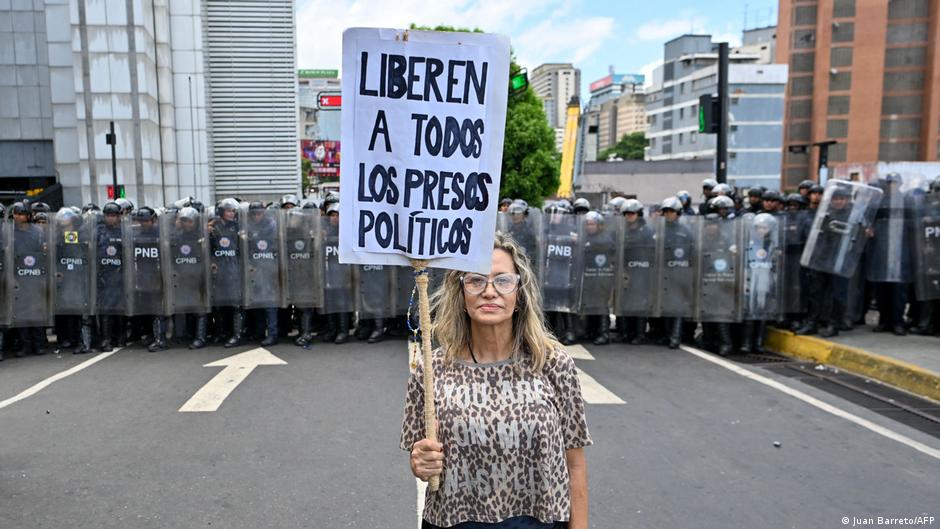
The Venezuelan government has released 131 political prisoners after the first round of national reconciliation talks with the opposition, marking a significant development in the country’s efforts toward political stability. This move comes amid negotiations which have also produced an agreement on judicial reform.
Implications for UK and European Markets
While Venezuela’s internal politics often seem distant from Europe, this development raises important considerations for British and European business interests, particularly in relation to the London financial market and sterling.
Venezuela remains a critical player in the global oil market, and political stability in the country is closely monitored by investors and businesses in the UK and the EU. Any progress towards reconciliation may ease sanctions and open pathways for renewed economic engagement with Venezuelan oil producers, which could influence global energy prices and impact sterling through shifts in commodity markets.
The agreement on judicial reform further signals a potential for enhanced rule of law and more predictable business conditions. For British companies and European investors exposed to emerging markets, these reforms could translate into reduced risks and new opportunities in a historically volatile region.
“Not all political prisoners were freed, but all deserve full liberty. We must continue to demand this until every citizen reunites with their family,” said Dinora Figuera, opposition delegation leader.
The negotiations concluded their first phase on August 12, leading to the release of the detainees. These prisoners were previously held on charges linked to alleged crimes, with the government instituting alternative restrictions on their freedom. Specific details regarding these alternatives have yet to be clarified.
International observers, including the U.S. government, have praised the releases. U.S. Secretary of State Marco Rubio described the move as an "important step towards national reconciliation," noting that over 1,000 political prisoners have been freed in Venezuela since the start of the year.
The talks between Venezuela’s interim government and opposition are supported by Washington, which also pressured authorities to pass an amnesty law before the dialogue began. This law facilitated the earlier release of several hundred political detainees and may pave the way for further concessions.
For London’s financial markets, which track global geopolitical developments and their ramifications on currency and commodities, Venezuela’s progress could herald a stabilization in oil supply dynamics. Such changes could influence sterling’s exchange rates against the dollar and euro, given the UK’s exposure to energy markets and its trade relations with Europe.
As negotiations continue, UK and European stakeholders will remain attentive to Venezuela’s political trajectory, weighing potential risks and opportunities for investment and trade amid evolving geopolitical landscapes.