Wage Gap Between German and Foreign Workers in Germany Remains at 23.6% in 2025
Median monthly earnings for German workers exceed foreign workers by over 1,000 euros, impacting labour market dynamics relevant to the UK and EU economies.
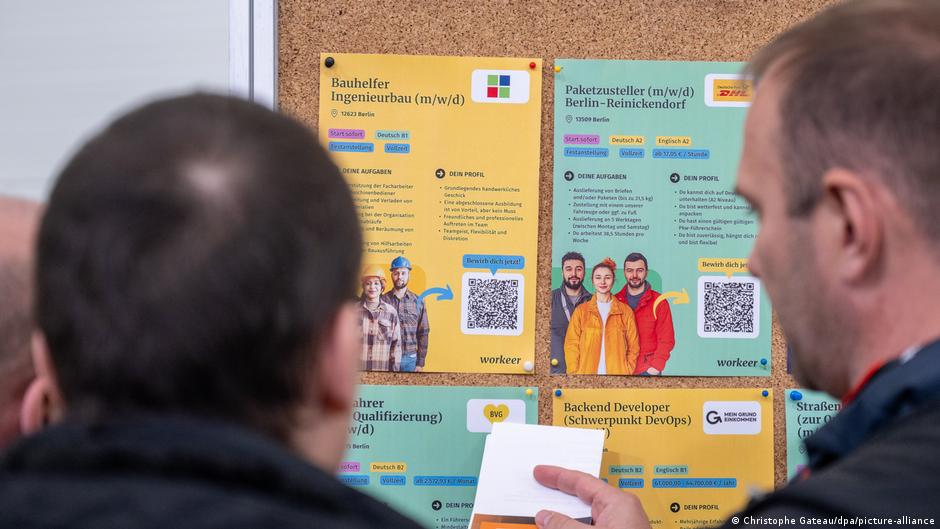
The wage disparity between German and foreign full-time workers in Germany stood at 23.6% by the end of 2025, according to the Federal Ministry of Labour and Social Affairs (BMAS). Median monthly gross earnings reached 4,396 euros for Germans and 3,358 euros for foreign nationals.
Implications for UK and European Labour Markets
This persistent wage gap, consistent with figures reported since 2020 where the differential ranged from 23.1% to 25.5%, has significant implications for the European and UK labour markets. The steady growth in earnings for both groups highlights ongoing demand for skilled labour in Germany, a key economy within the EU and a pivotal trading partner for the United Kingdom.
"The wage gap largely reflects differing employment sectors and qualifications between German and foreign workers," analysts from the Institute for Employment Research (IAB) noted.
Approximately 30.6% of foreign employees working full-time held low-paid jobs in 2025, compared to just 12.3% among their German counterparts. This discrepancy is primarily attributed to the tendency of foreign workers to be employed less frequently in highly remunerated industries or roles.
Educational attainment, vocational qualifications, and professional experience remain crucial factors influencing salary levels. Workers without professional qualifications earned a median salary of 3,133 euros, while those with recognized qualifications earned 4,069 euros. University graduates commanded a median wage of 6,146 euros.
For the UK, which maintains strong economic ties with Germany and the broader EU, these labour market trends underscore the importance of coordinated policies on migration, skills recognition, and workforce integration. Sterling's performance on the foreign exchange markets may also be sensitive to economic indicators such as wage growth and labour market inclusivity across Europe.
London's financial markets closely monitor German labour statistics, given Germany's role as Europe’s largest economy. Persistent wage disparities could influence investment flows and cross-border employment strategies, particularly as businesses in the UK and EU navigate post-Brexit regulatory landscapes and supply chain realignments.
In conclusion, the ongoing wage differential between native and foreign workers in Germany presents challenges and opportunities for economic stakeholders in the UK and European Union, emphasizing the need for inclusive labour policies and enhanced recognition of foreign qualifications to foster greater economic cohesion.