Western Embassies Weigh Kyiv Relocation as Russia Intensifies Strikes
Diplomats are preparing contingency plans to move missions to Lviv or Poland as attacks on Kyiv raise risks for Ukraine and Europe.

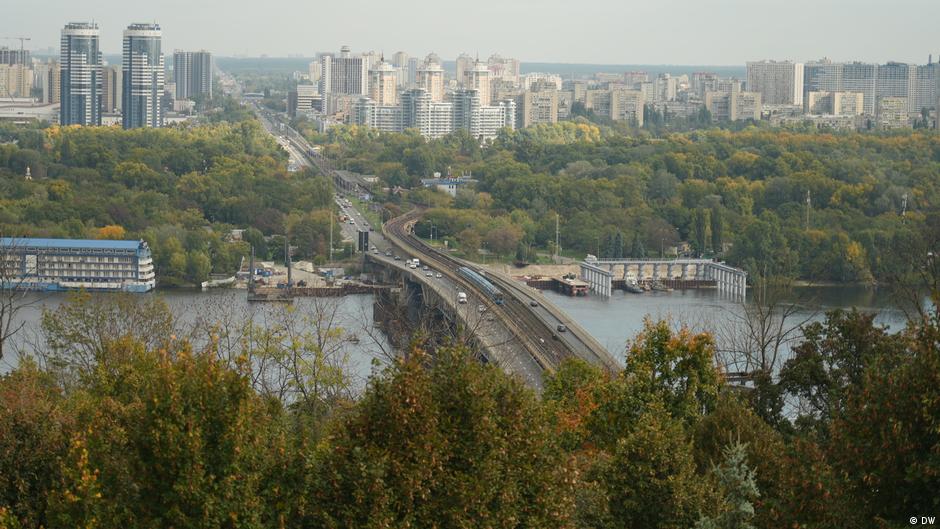
Western governments are preparing contingency plans to relocate their embassies from Kyiv to Lviv or Poland as Russia intensifies attacks on the Ukrainian capital, according to senior diplomats cited by The Guardian. The planning reflects a sharp deterioration in the security environment in Kyiv and raises fresh questions for European governments, investors and businesses exposed to the war’s widening economic consequences.
The reported discussions come as Russian forces have stepped up drone and missile attacks on Kyiv in recent days. For Britain and the European Union, any diplomatic pullback from the Ukrainian capital would carry political, logistical and market significance. It would test Western messaging on long-term support for Ukraine while also underscoring the risk that Moscow’s winter campaign could deepen pressure on energy systems, cross-border trade routes and European financial sentiment.
“Russia plans to freeze Kyiv, to throw it back into the Stone Age. The situation is obviously deteriorating rapidly,” one diplomat was quoted as saying.
Publicly, Western diplomats continue to say they intend to remain in Kyiv. According to The Guardian, officials are conscious that leaving the capital could be presented by Moscow as a propaganda victory and could create the impression that Ukraine had been abandoned. That tension between operational security and diplomatic symbolism is now central to the calculations facing Western capitals.
Business Risks Extend Beyond Kyiv
The possible relocation of embassies would not by itself change the fundamentals of Western support for Ukraine, but it would be read closely by London and European markets as a signal of worsening risk. For UK companies, insurers, banks and commodity traders, the security of Kyiv is tied to wider assessments of Ukraine’s ability to maintain government functions, infrastructure resilience and commercial links through another winter of war.
The implications also reach sterling-sensitive sectors. Any escalation that increases demand for safe-haven assets, raises European energy concerns or weighs on regional growth expectations can feed through to currency markets. The pound’s performance is shaped by many factors, including Bank of England policy, UK inflation and domestic growth, but developments in Ukraine remain relevant for investors assessing geopolitical risk around Europe.
London’s market reaction to the latest reports will therefore depend less on the location of embassies alone and more on whether Russia’s campaign threatens Ukraine’s energy imports, logistics hubs and critical infrastructure. The City has repeatedly watched the war through the lens of energy security, defence spending, sanctions risk and the resilience of European supply chains.
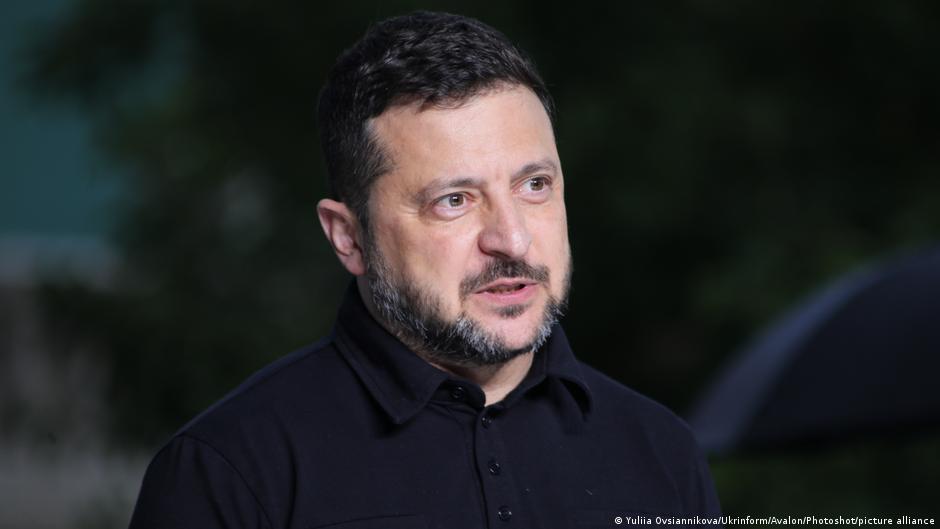
Since September, Russian forces have been attacking Kyiv almost around the clock with drones and missiles, hitting schools, hospitals and data processing centres. Ukrainian President Volodymyr Zelensky told the Financial Times that the Kremlin had intensified air strikes to intimidate civilians, force them to leave cities and weaken the country’s ability to continue the war.
According to Zelensky, the main Russian targets are Kyiv, Kharkiv and Odesa. Ukrainian and European security officials familiar with intelligence also said the western city of Lviv is included in Russian plans. Lviv, near the Polish border, is a key logistics hub for Ukraine and has particular importance for European support routes into the country.
Energy Infrastructure Under Pressure
The New York Times reported on October 2 that Kyiv had intercepted Russian plans to cut major Ukrainian cities off from electricity, heating and water supplies during the coming winter. The reported document describes three stages of attacks against Ukraine’s energy system.
In the first stage, Russia is said to plan strikes against substations near Ukraine’s western borders, through which the country imports electricity from Europe. In the second stage, the plan calls for damage to hydroelectric power stations. It then envisages stopping all three of Ukraine’s operating nuclear power plants, which form the backbone of the country’s energy system.
For European policymakers, those details are especially sensitive. Ukraine’s electricity imports from Europe link the battlefield directly to the continent’s energy architecture. Any disruption near western borders could complicate support for Ukraine and increase pressure on European governments already managing defence commitments, fiscal constraints and public concern over the cost of security.
Poland would be central to any relocation scenario. Moving diplomatic operations across the border would place missions inside NATO and EU territory, potentially reducing immediate security exposure while increasing the operational load on Polish infrastructure and coordination channels. Lviv, by contrast, would keep diplomats inside Ukraine but closer to the EU border and major logistics corridors.
For Britain, the issue is both diplomatic and economic. London has been among Kyiv’s most prominent backers, and any visible change in embassy posture would be scrutinised for what it says about Western confidence in Ukraine’s ability to withstand Russia’s winter strategy. At the same time, British markets remain alert to geopolitical shocks that can affect energy expectations, defence shares, risk appetite and sterling.
The immediate picture remains one of contingency planning rather than a confirmed evacuation. Western diplomats say they intend to stay in Kyiv, even as officials prepare alternatives. That dual approach reflects the difficult balance now facing Ukraine’s partners: maintaining a visible presence in the capital while planning for a security environment that diplomats describe as worsening rapidly.