Wildberries Warehouses Targeted in Russian Regions Amid Ongoing Ukraine Conflict
Attacks on Wildberries logistics hubs near St. Petersburg, Tver, and Crimea raise concerns over supply chain disruption and market impact in Europe.
Recent attacks on Wildberries (WB) warehouses in Russia, including facilities near St. Petersburg, Tver, and the annexed Crimean Peninsula, highlight the continuing conflict-induced disruptions in regional logistics. These incidents have drawn attention from European and British markets due to the potential ripple effects on supply chains and consumer goods availability.
Impact on Logistics and Market Stability
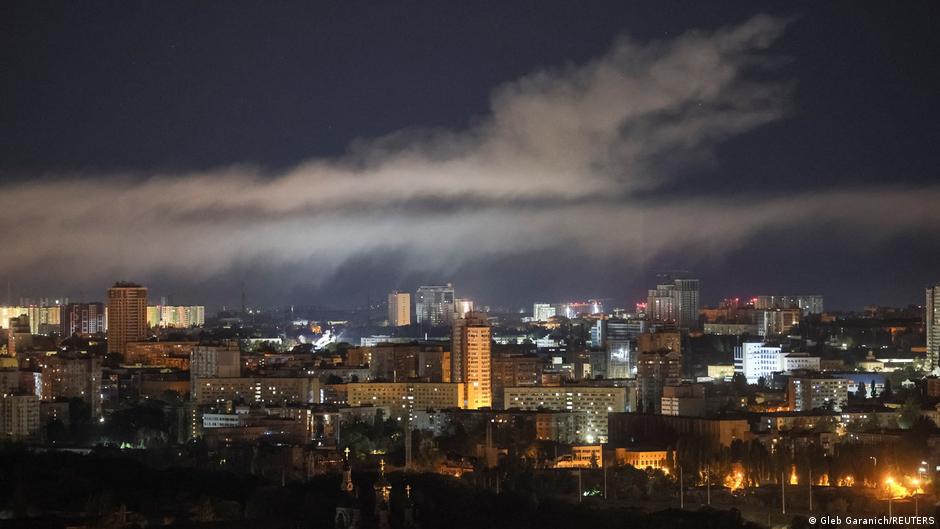
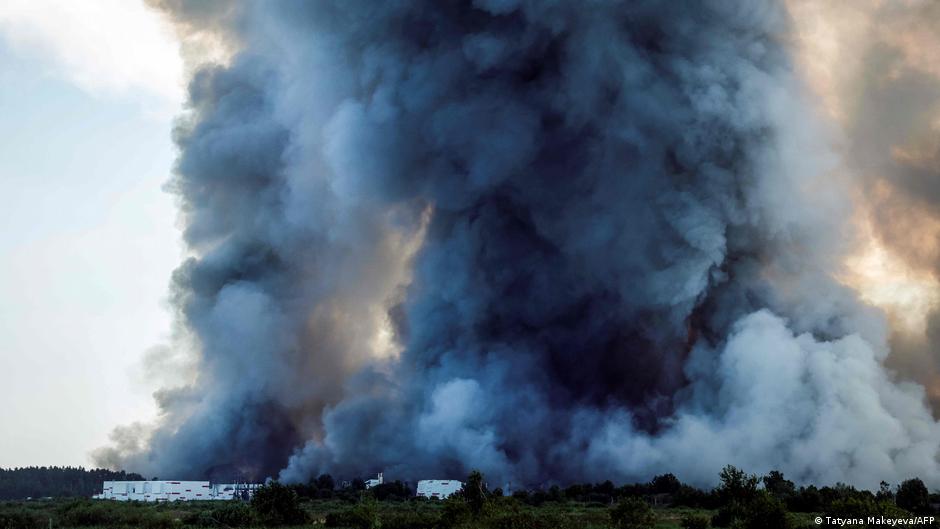
On the night of July 24, multiple WB warehouses were reportedly struck by missile or drone attacks attributed to Ukrainian forces, according to various open-source intelligence and eyewitness accounts circulating on social media platforms. The warehouse near St. Petersburg, located in the village of Novosaratovka in the Vsevolozhsky district of Leningrad Oblast, experienced significant fires visible over the city. This facility serves as a major logistics hub for the northwestern region of Russia, including the metropolitan area of St. Petersburg.
Wildberries confirmed temporary suspension of operations at key logistics complexes in Shushary and Utkina Zavod, both within St. Petersburg, pending further safety assessments. Additional attacks were reported in Tver and Simferopol, with warehouses catching fire and evacuation procedures implemented in the Crimean sorting center.
"The warehouse near St. Petersburg is a critical node for regional distribution and its temporary closure could exacerbate supply chain bottlenecks," logistics expert Elena Ivanova commented.
These disruptions come amid a series of similar attacks targeting WB infrastructure across Russia. Previous strikes have damaged facilities in Elektrostal near Moscow, Kotovsk in Tambov Oblast, Krasnodar, and Nevinnomyssk in Stavropol Krai, collectively affecting over half a million square meters of logistics space—approximately 10% of Wildberries’ total infrastructure.
Broader Implications for British and European Interests
Wildberries is Russia’s largest online retailer, and its extensive logistics network plays a substantial role in consumer goods distribution within Russia and to some extent across Eurasian markets. Instability in these hubs raises concerns for British and European businesses involved in trade or supply chains linked to Russia, particularly those dealing in consumer electronics, apparel, and other imported goods.
The London financial markets have responded cautiously to reports of escalating infrastructure attacks in Russia. Sterling’s exchange rates have shown minor fluctuations amid wider market uncertainties tied to geopolitical developments in Eastern Europe. Investors remain attentive to potential sanctions implications and disruptions that could affect European companies operating in or reliant on the Russian market.
Moreover, the targeting of logistics centers alleged by Ukrainian officials to be involved in supporting military production—such as supplying drone components and navigation equipment—adds a complex dimension to the conflict’s economic impact. Ukrainian President Volodymyr Zelensky described recent attacks as retaliation for Russian strikes on civilian infrastructure in Ukraine, underscoring the intertwined nature of military and commercial targets in this ongoing confrontation.
While regional Russian authorities have yet to publicly comment on the attacks, the continuing pattern suggests a sustained campaign impacting Russia’s logistics capabilities. For UK and EU businesses, these developments emphasize the need for vigilance in risk assessment and contingency planning related to supply chain exposure in contested areas.
As the conflict continues to evolve, the response from Western governments, including potential new sanctions or trade restrictions, will be critical in shaping the future landscape for commerce between Europe and Russia. Monitoring the operational status of major logistics hubs like Wildberries is increasingly important for understanding the broader economic consequences of the conflict.