Zelensky Says North Korea Plans to Send 10,000 More Troops to Russia
The Ukrainian president’s claim adds a new geopolitical risk for UK and EU policymakers already managing sanctions, defence spending and market nerves.
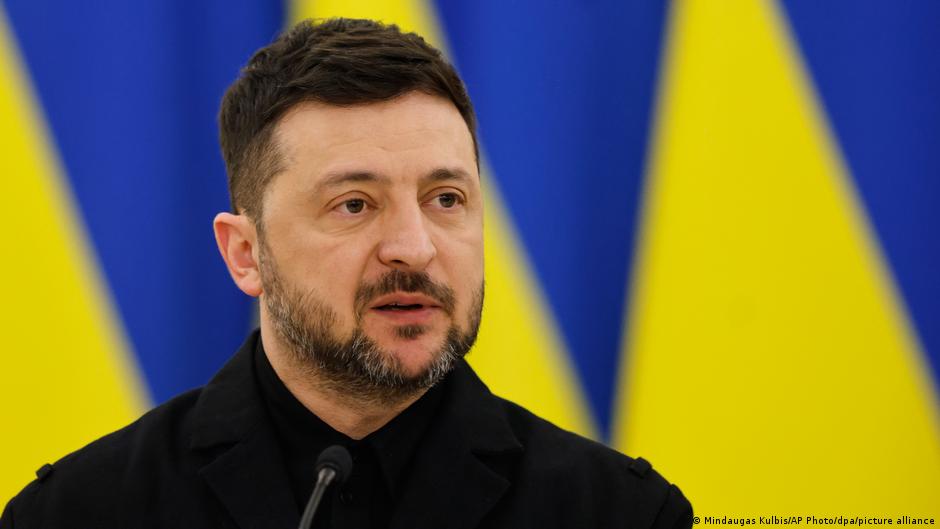
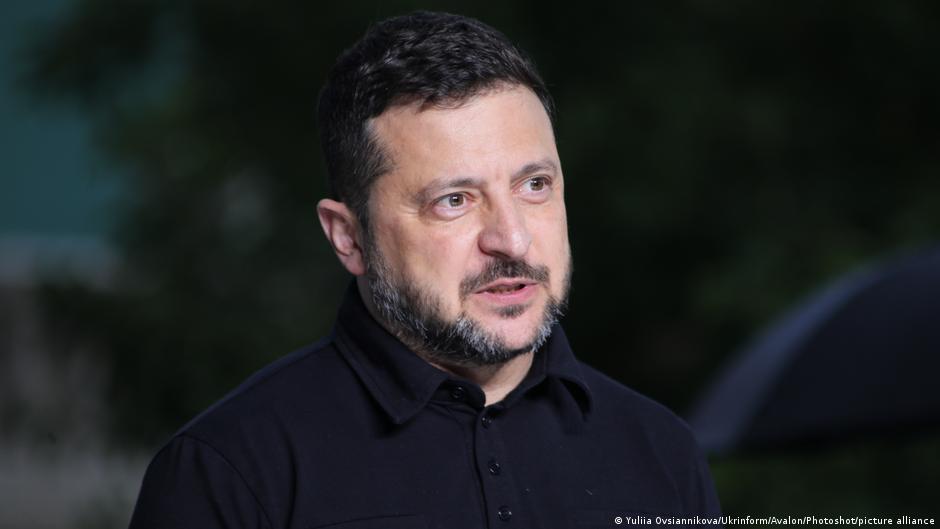
Ukrainian President Volodymyr Zelensky has said North Korea is preparing to transfer around 10,000 more troops to Russia, citing fresh intelligence from Ukraine’s military spy agency. The claim, made in his evening address on Monday, September 28, places renewed focus on the widening international dimensions of the war and the potential implications for European security, sanctions policy and investor sentiment in London.
According to Zelensky, more than 8,000 North Korean soldiers are already on Russian territory. He said personnel are currently being selected for training and subsequent deployment to Russia, as Moscow seeks to expand the use of foreign recruits in its war against Ukraine.
“It is important that the governments of the countries from which Russia is attracting people into its army counteract this. We will inform every government,” Zelensky said.
For Britain and the European Union, the allegation lands at a sensitive moment. Western governments have repeatedly warned that closer military cooperation between Moscow and Pyongyang could lengthen the war, complicate sanctions enforcement and increase pressure for higher defence spending across Europe. Any confirmed expansion of North Korean involvement would be read in European capitals as further evidence that Russia is drawing more heavily on partners outside the Western financial system.
European Risk, Sterling Sensitivity
The report has a direct relevance for UK markets because the war remains a key driver of European energy risk, defence budgeting and broader risk appetite. Sterling often reacts to shifts in global risk sentiment and European security concerns, particularly when they raise questions about energy costs, fiscal pressures or the outlook for Bank of England policy. The source report did not provide any specific London market moves or sterling levels, but the allegation adds to the type of geopolitical uncertainty closely watched by currency traders and equity investors.
London-listed defence and energy-linked shares are among the sectors typically monitored when the conflict escalates or when new external actors are reported to be entering the battlefield. For the City, the immediate issue is not only whether North Korean personnel are deployed, but whether their role prompts additional UK, EU or US sanctions, raises compliance burdens for banks and commodity traders, or changes assumptions about the duration and cost of the war.
Zelensky’s comments also matter for European policymakers trying to coordinate military aid to Kyiv while keeping pressure on Moscow. If Russia is increasing the number of foreign troops involved in the war, the argument from Ukraine and its supporters is likely to be that Europe must accelerate defence production and maintain long-term financial commitments. That has budgetary consequences for EU member states and for the UK, where defence spending remains a prominent political and fiscal question.
Seoul Dispute Complicates Diplomacy
The Ukrainian president’s remarks came against the backdrop of a diplomatic dispute between Kyiv and Seoul. Several days earlier, South Korean President Lee Jae Myung sharply criticised Ukrainian authorities, saying Zelensky had violated an agreement on confidentiality by publicly disclosing the transfer to Seoul of two North Korean soldiers captured during fighting involving Ukrainian forces in Russia’s Kursk region.
Zelensky’s office responded that there had been no agreement between the countries to withhold that information. Seoul called that statement false. On September 28, South Korea’s foreign ministry summoned Ukraine’s acting ambassador. According to Yonhap, a deputy foreign minister conveyed Seoul’s “firm position” to the Ukrainian diplomat.
The episode highlights the diplomatic sensitivity surrounding North Korean troops allegedly involved in Russia’s war effort. South Korea has its own security calculations in dealing with Pyongyang, and the public handling of captured North Korean soldiers has become a point of contention between two governments that are both aligned with the West but face different regional risks.
South Korean intelligence has estimated that North Korea has already sent around 15,000 military personnel to support Russia in the war. In return, Pyongyang is believed to receive money, military technology and security guarantees from Moscow. In August, Zelensky said North Korea intended to place between 30,000 and 50,000 fighters on Russian territory.
Those figures, if borne out, would deepen concern in Europe that the conflict is evolving into a more durable coalition effort by Russia and its partners. For the UK and EU, that would raise questions about sanctions loopholes, export controls, defence industrial capacity and the resilience of European markets to prolonged wartime disruption.
British and European officials have already treated Russia’s overseas support networks as a central part of the sanctions debate. Alleged manpower support from North Korea adds a different dimension: not just equipment or finance, but people. That could sharpen calls for diplomatic pressure on governments whose citizens or forces are being drawn into Russia’s campaign.
The latest claim from Kyiv has not, in the source account, been accompanied by an independent public confirmation from London, Brussels or Seoul. Still, Zelensky’s statement is likely to be assessed closely across European capitals because it touches the same set of risks that have shaped policy since the start of the full-scale invasion: military escalation, sanctions enforcement, fiscal costs and the market consequences of a prolonged war on Europe’s eastern flank.