Germany’s Long-Term Welfare Rolls Put Berlin Labour Reform in Market Focus
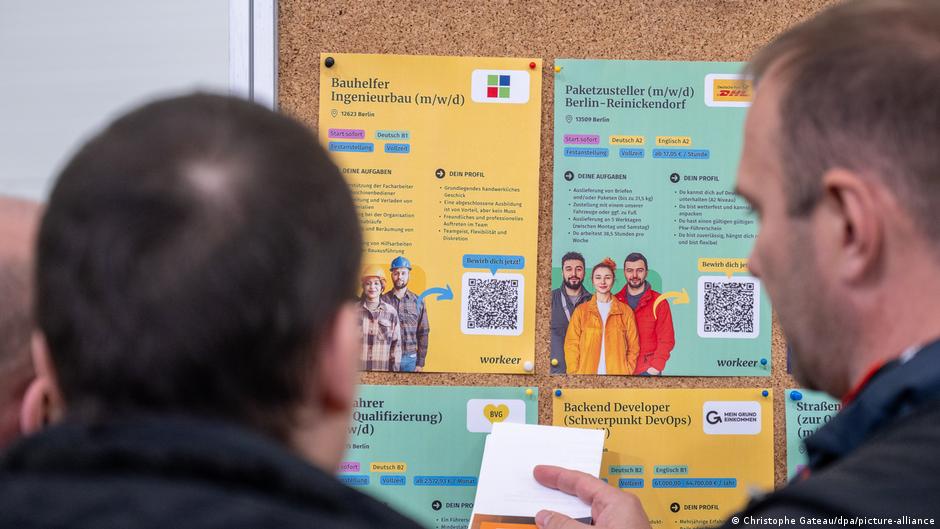
Germany reports 1.4 million long-term basic welfare recipients, raising labour reform questions watched by UK and European markets.

Germany reports 1.4 million long-term basic welfare recipients, raising labour reform questions watched by UK and European markets.

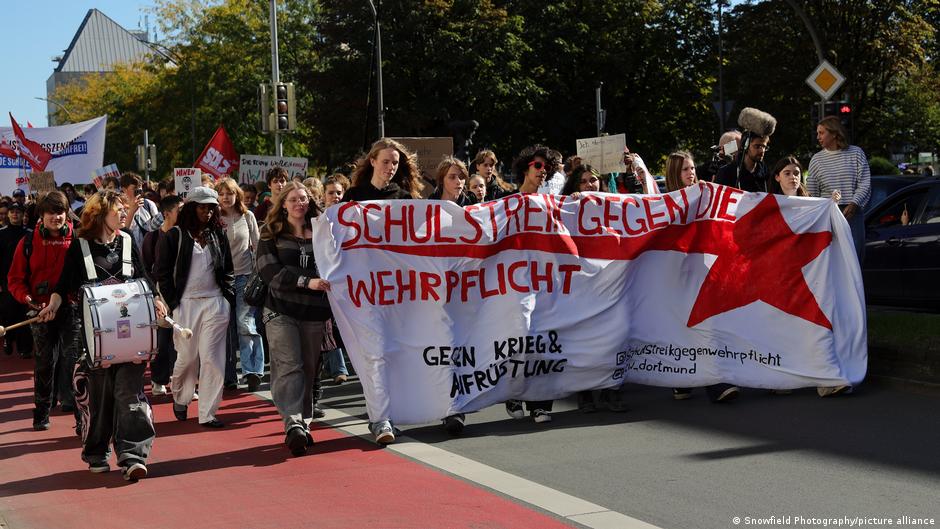
Germany recorded more than 12,000 military service refusals in eight months, raising questions over defence recruitment and European market risks.

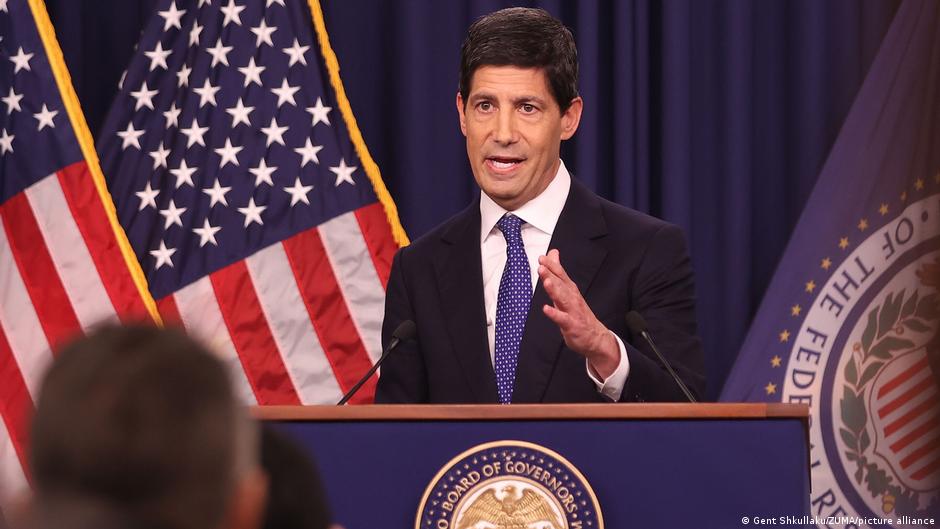
The Fed lifted rates to 3.75-4%, raising questions for sterling, UK businesses and European markets exposed to dollar strength and energy inflation.

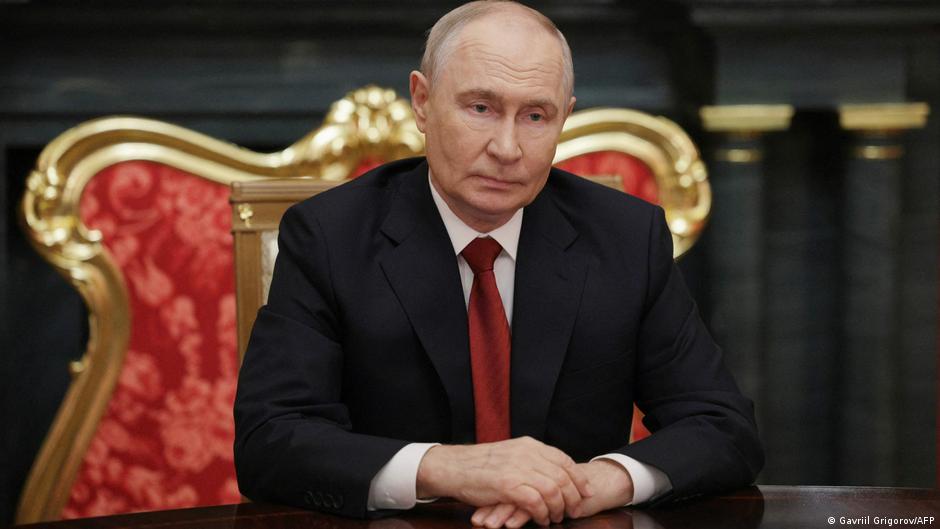
Putin backed using citizens deemed fully unfit for military service in drone defence roles, a signal closely watched by UK and EU markets.

Volkswagen approved a major restructuring plan with 50,000 job cuts, a halved model range and fresh questions over excess European capacity.

Germany's wage gap between native and foreign workers remains at 23.6% in 2025, impacting UK-EU labour market relations and sterling dynamics.

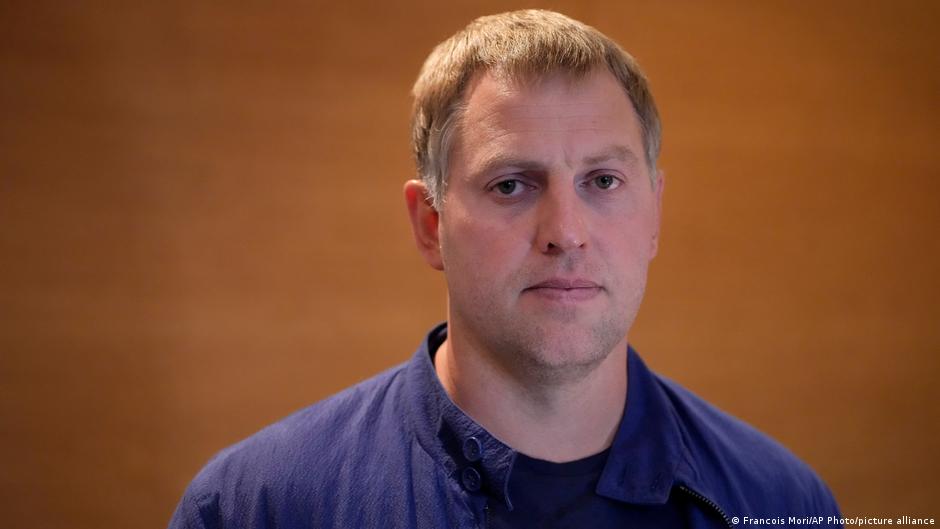
Gulagu.net founder Vladimir Osechkin suspends his human rights project amid global legal crises and heightened Russian threats, impacting UK and EU interests.

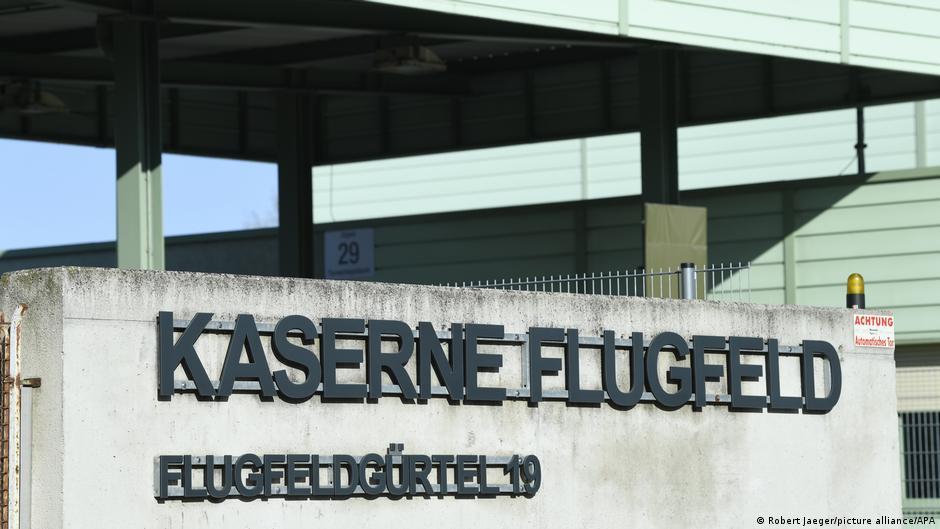
Austria plans to extend mandatory military service to nine months, aiming to strengthen defence amid increased security threats affecting EU and UK interests.

Over 40% of German workers doubt their ability to work until retirement due to physical and mental strain, highlighting risks for European labor markets and pension systems.

Germany faces a 4.3 million workforce deficit by 2036 due to retiring baby boomers and declining migration, posing challenges for UK and EU business relations and sterling.

The US Congress has approved $70 billion for immigration services, influencing sterling and London markets through potential impacts on transatlantic trade and regulatory stability.