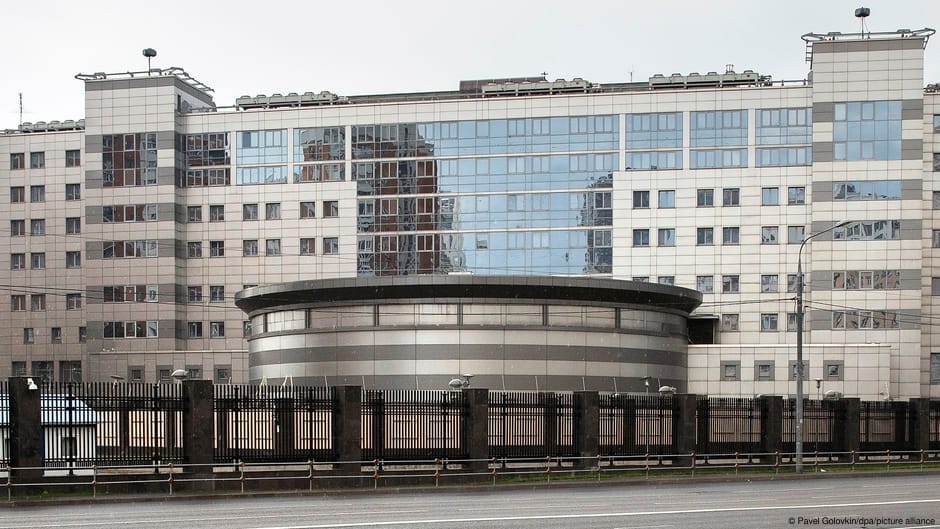
Lithuania Urges EU Terror Listing for Russian Military Intelligence
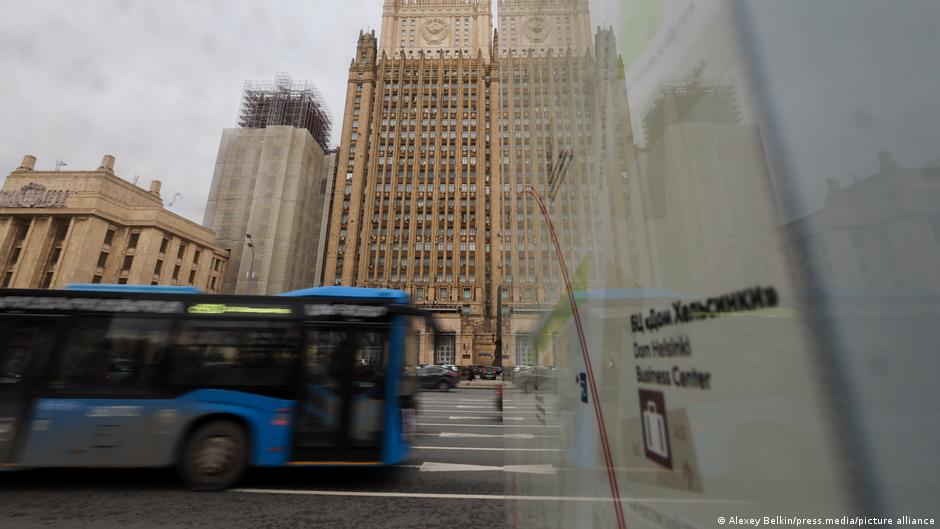
Lithuania is pressing the EU to list Russian military intelligence as a terrorist organisation, raising potential security and compliance risks for European business.

Lithuania is pressing the EU to list Russian military intelligence as a terrorist organisation, raising potential security and compliance risks for European business.

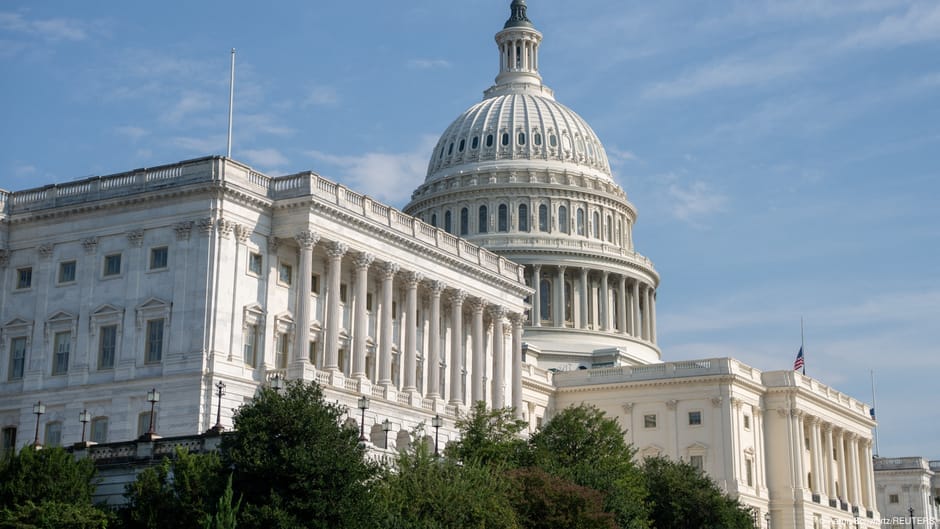
Democrats have secured at least 258 US House seats, their strongest showing since 1992, as UK and EU businesses assess the policy implications.

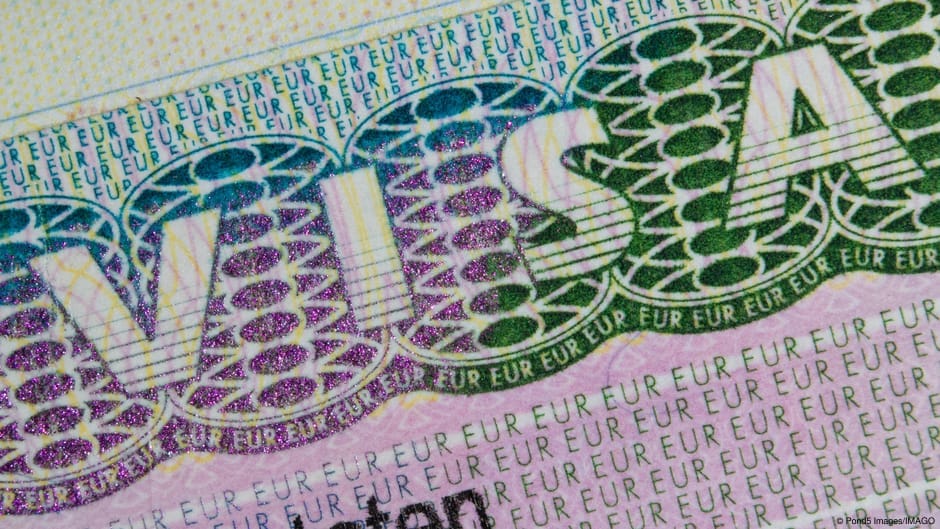
Slovenia has stopped accepting Russian applications for study and most work visas, while retaining limited routes for business, EU-family and transport travel.

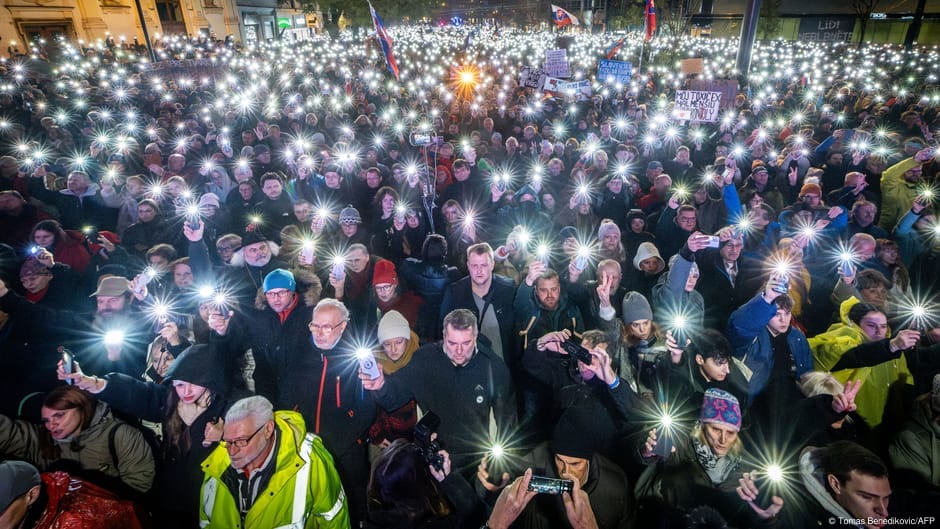
Thousands protested in Slovakia over Robert Fico’s Kremlin ties and rule-of-law concerns as his weakened coalition faces demands for an early election.

Spain’s housing strike disrupted factories and ports as mass protests intensified political and business uncertainty before the November 29 election.

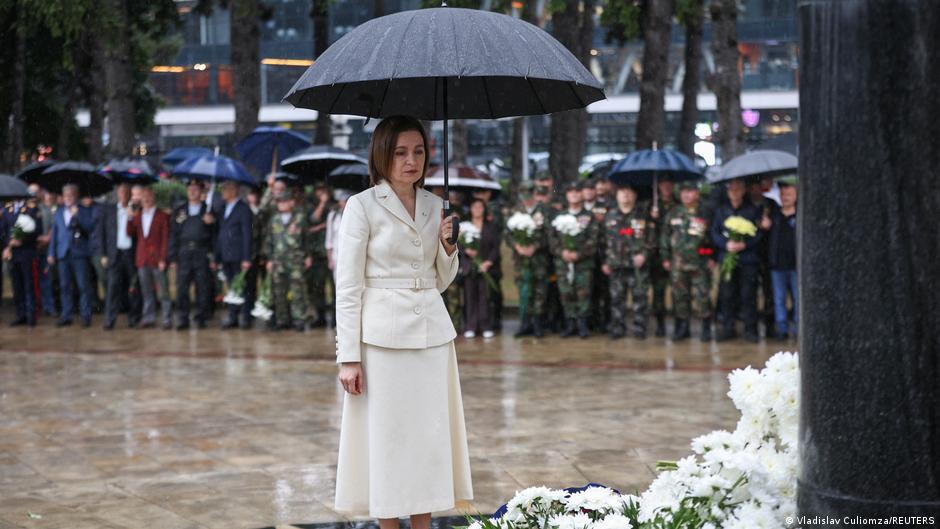
Moldova has opened a Romania-linked power line to curb reliance on Russian-linked infrastructure and deepen its integration with the European energy system.

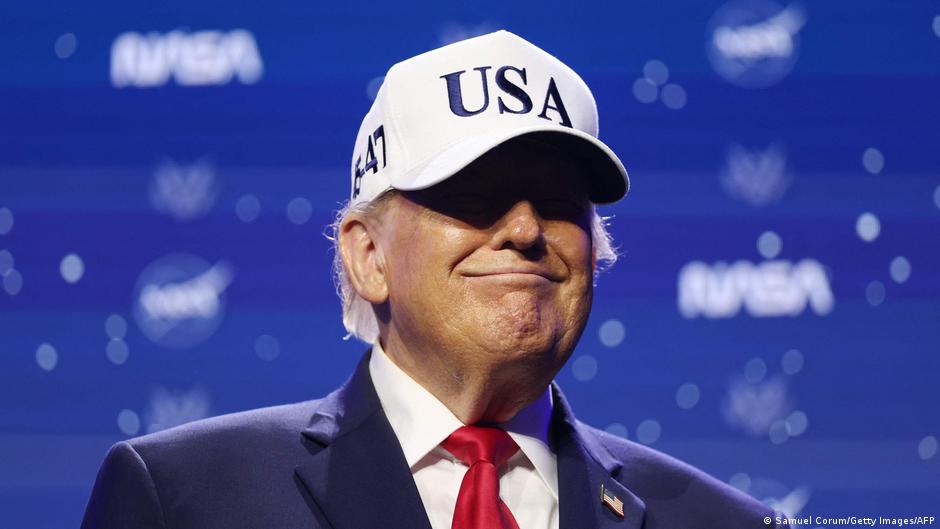
Trump ordered a probe into Democrats after accepting their midterm victory, adding uncertainty for UK and EU businesses exposed to US policy and markets.

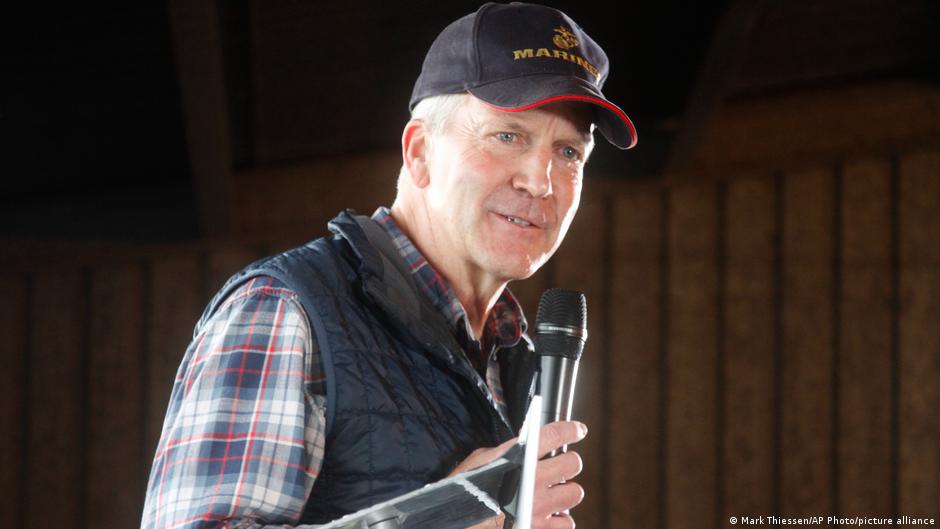
A federal judge rejected the Trump administration’s bid to block certification of Alaska’s Senate result, while a planned appeal keeps political risk in focus.

Rival claims to Poland’s Constitutional Tribunal triggered protests, a police cordon and an emergency presidential return, adding to European political risk.

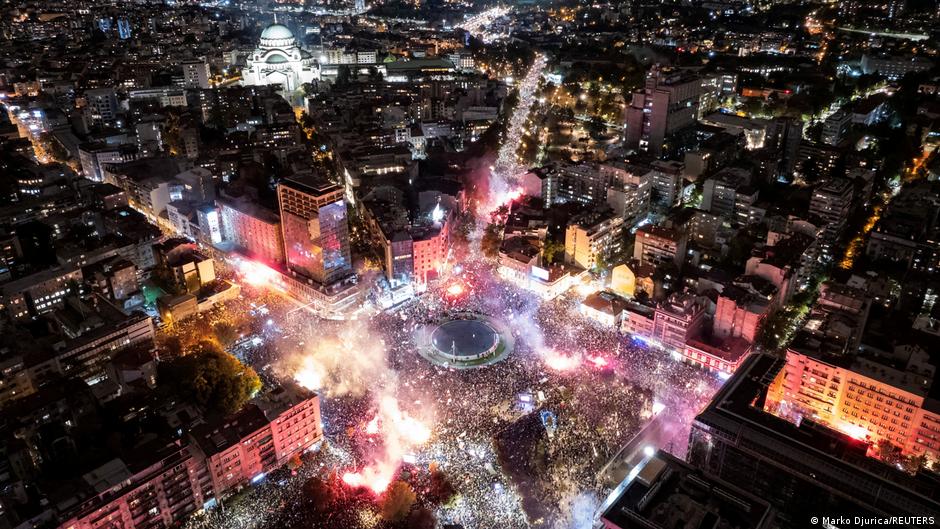
A 150,000-strong Belgrade protest has intensified political uncertainty before Serbia’s election, with the Student List polling ahead of Vučić’s governing party.

A bipartisan US bill targeting Russian oil purchases could challenge Trump’s diesel deal and sharpen energy policy risks for UK and EU markets.

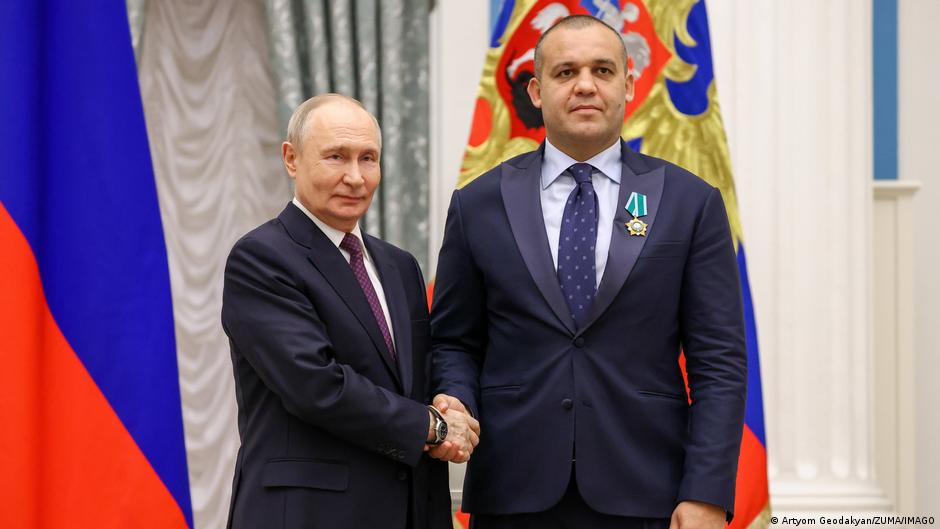
Umar Kremlev said Donald Trump Jr. repaid wedding-event costs, reviving Russia-linked ethics questions watched by UK and EU markets.

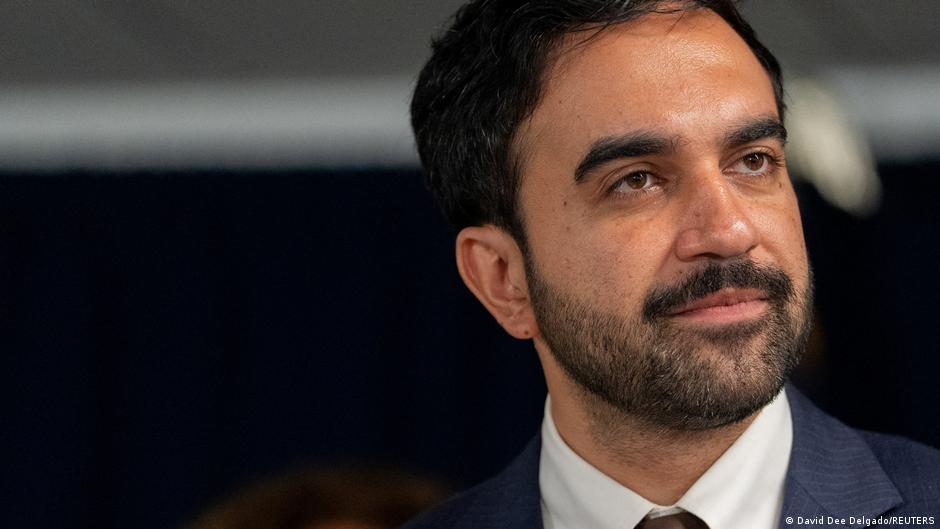
New York Mayor Zohran Mamdani has proposed raising hate-crime funding to $29 million and expanding security for Jewish institutions.

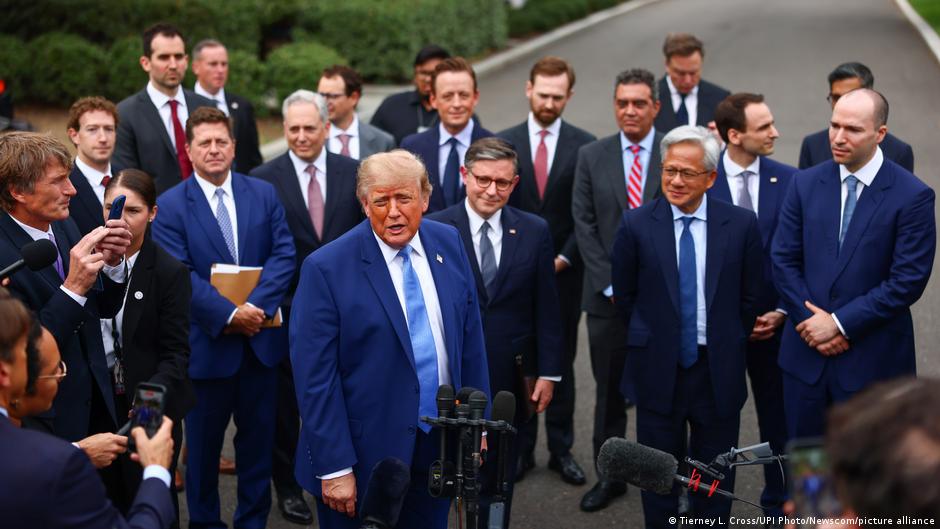
A voluntary White House AI pact with major tech firms raises questions for UK and EU investors, regulators and sterling-sensitive markets.

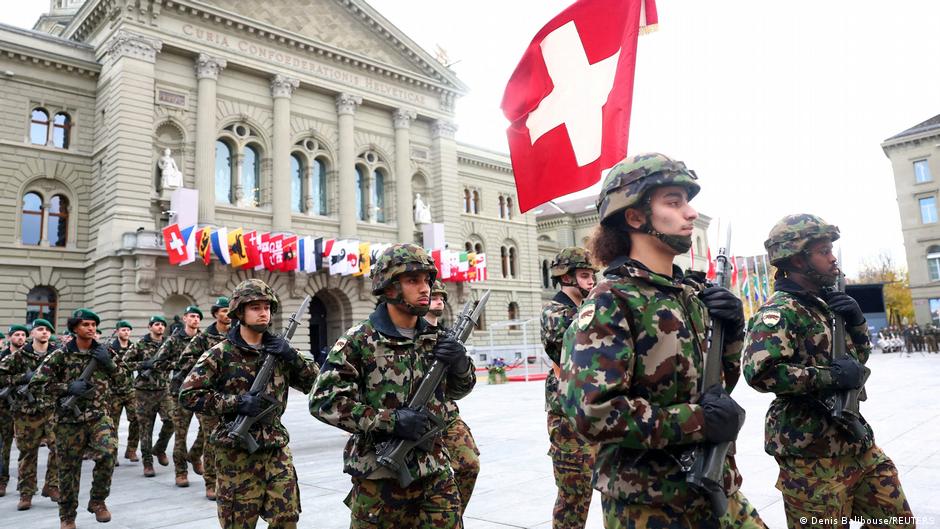
Swiss voters rejected a neutrality initiative that would have limited sanctions, preserving Bern’s flexibility to align with EU measures.

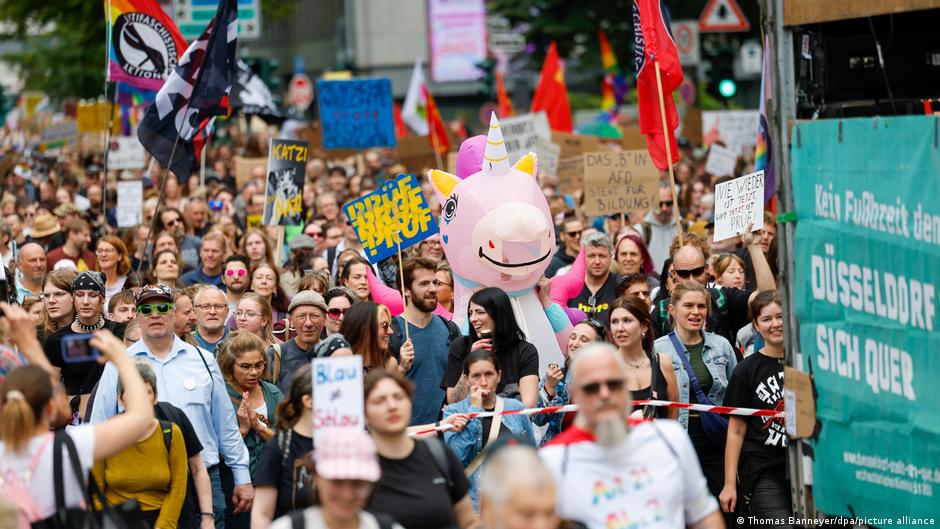
Mass protests across Germany after AfD’s state election win sharpen political risk questions for UK and EU businesses.

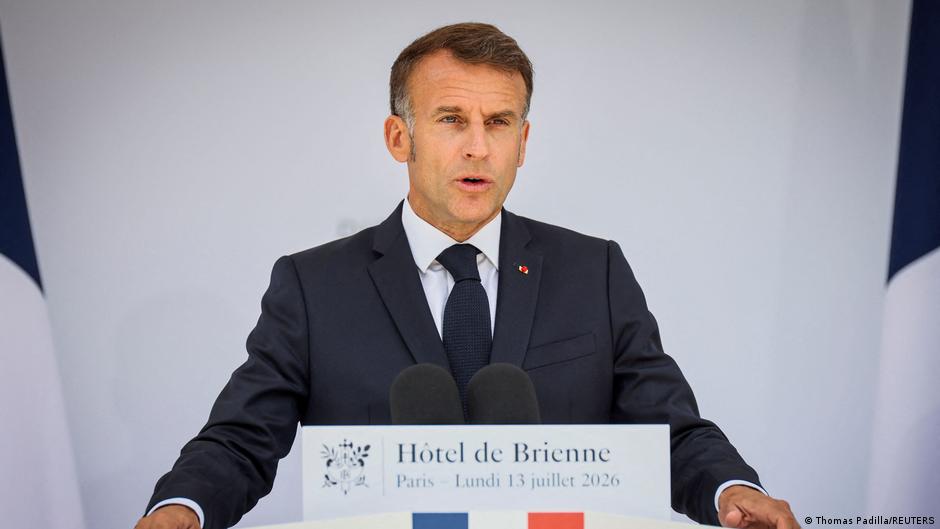
Macron wants the EU to prepare a ban on social media for under-15s after France’s national law was blocked, raising regulatory questions for markets.

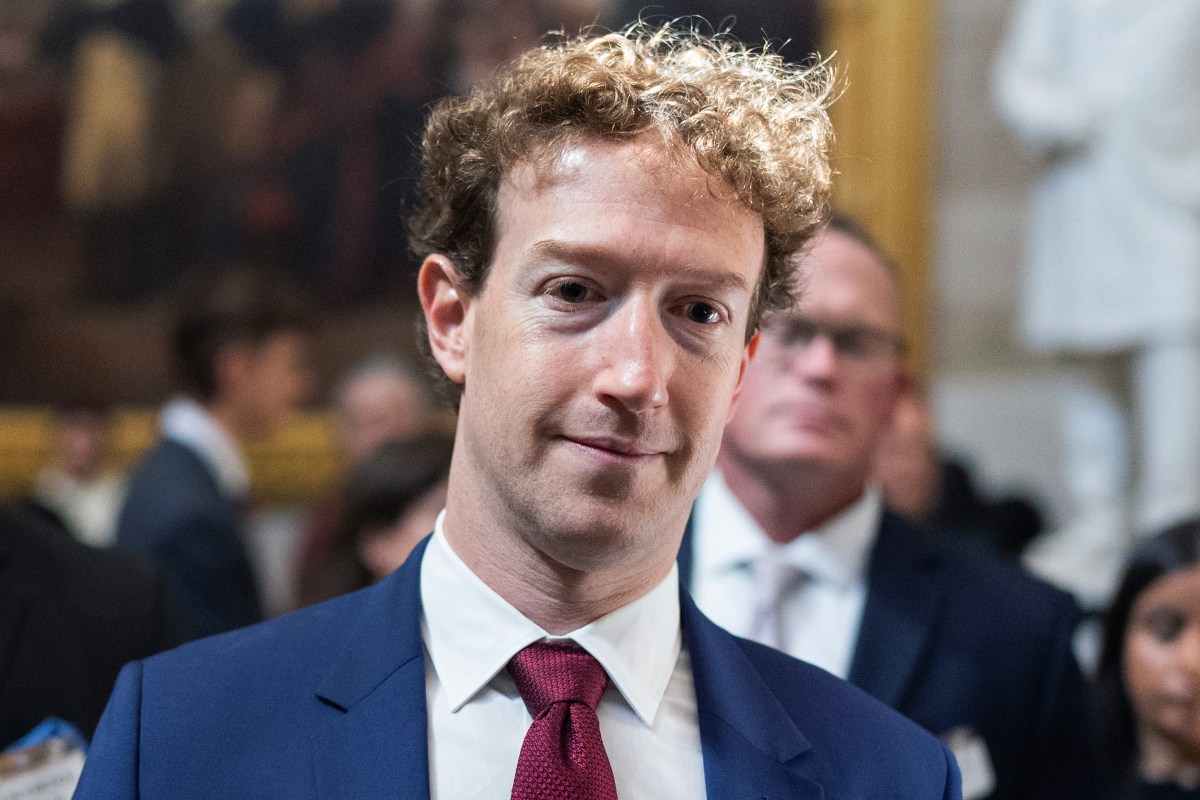
Meta’s $18 billion child safety settlement raises regulatory and privacy challenges for UK and EU markets amid unreliable age-verification technology.

Russia allows amputees to drive public transport vehicles, reflecting shifts in workforce inclusion and highlighting automation's role amid ongoing conflict.

Hundreds of Ukrainian soldiers have deserted military training courses in Germany since 2022, raising concerns for UK-EU defense cooperation and market stability.

Colombia declares nationwide emergency after a 7.4 magnitude earthquake kills over 130 and causes significant damage, prompting international aid and sparking UK and EU market concerns.

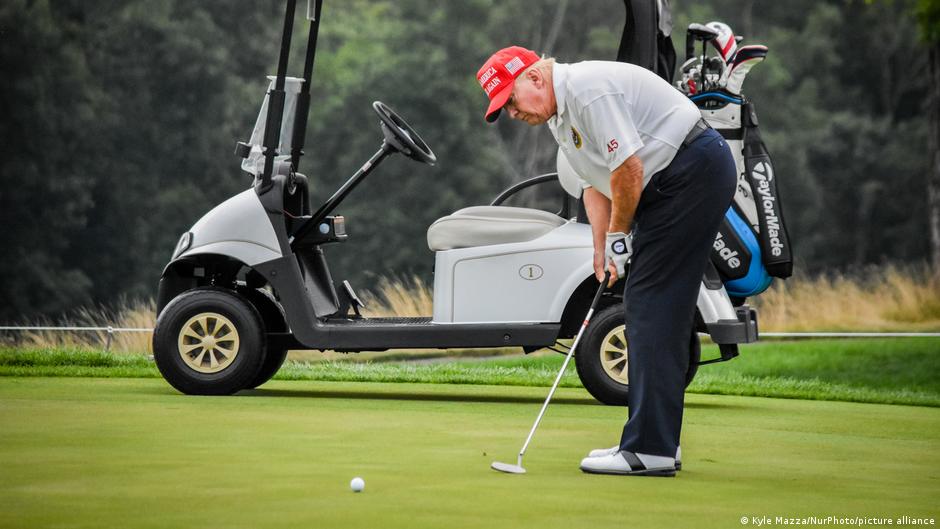
F-16 jets intercepted two civilian planes near Trump's New Jersey golf club due to restricted US airspace, highlighting the need for careful flight planning for UK and EU operators.

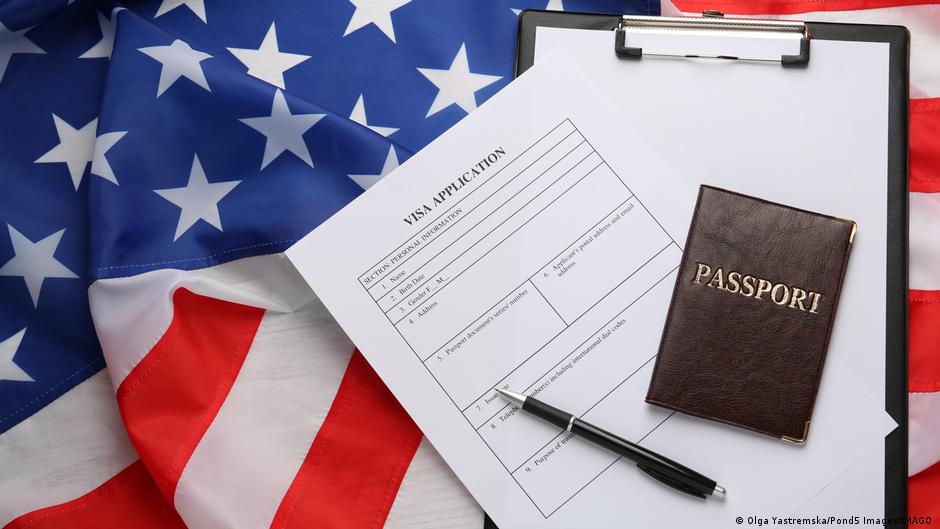
The US introduces a permanent visa bond of up to $20,000 for citizens of 50 countries, excluding Russia, affecting transatlantic business travel and London market dynamics.

Uzbekistan offers subsidies covering up to 50% of costs for modern swimming pool projects, presenting new opportunities for UK and EU investors in tourism infrastructure.
Uzbekistan advances digital transformation with a national navigation system and unified digital platform, offering new opportunities for UK and EU tech and investment partnerships.

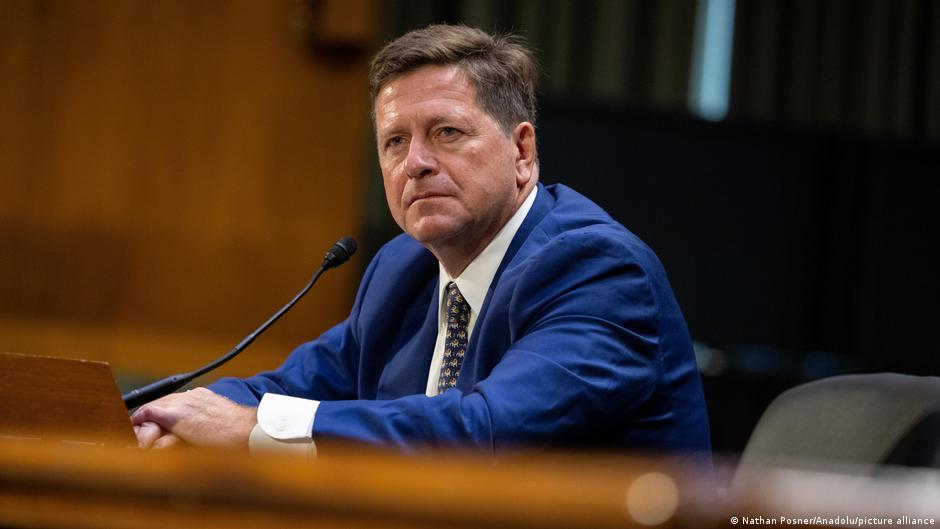
Jay Clayton has been confirmed as US Director of National Intelligence amid bipartisan doubts, with potential implications for UK-EU financial markets and security cooperation.
Montenegro will end visa-free travel for Russian and Belarusian citizens from November 2026, aligning its policies with EU requirements amid broader geopolitical shifts.
Former Spanish PM Mariano Rajoy’s controversial remarks on France’s World Cup team spark political backlash amid concerns over nationalism’s impact on UK-EU business ties.

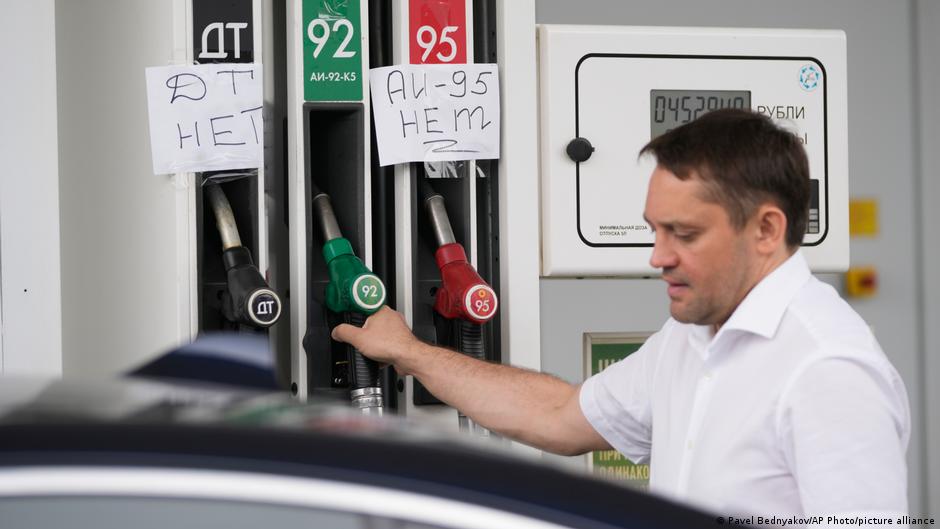
Russia permits sale of Euro-3 fuel until 2026 amid refinery disruptions, impacting EU fuel standards and causing cautious reactions in London’s energy and currency markets.
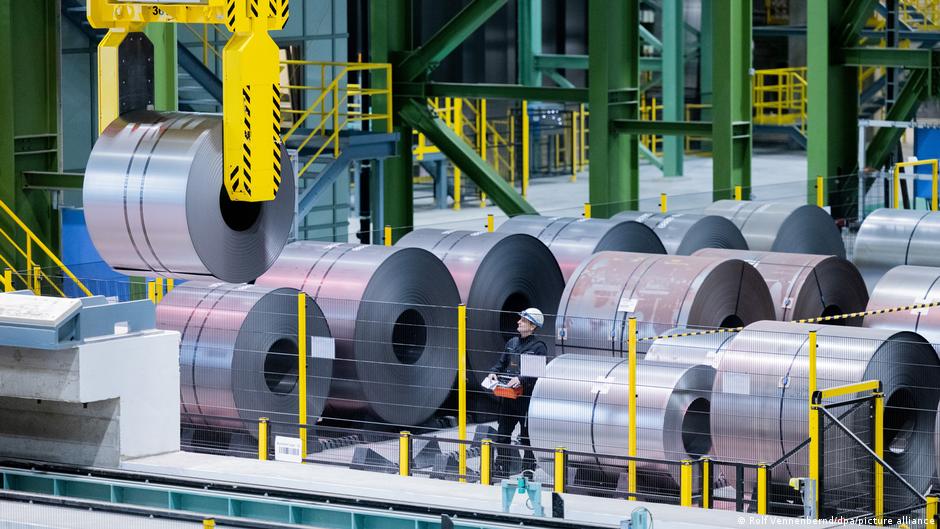
The EU slashes duty-free steel import quotas by 47%, imposing a 50% tariff on excess imports, with significant implications for UK steel markets, sterling, and London’s financial sector.

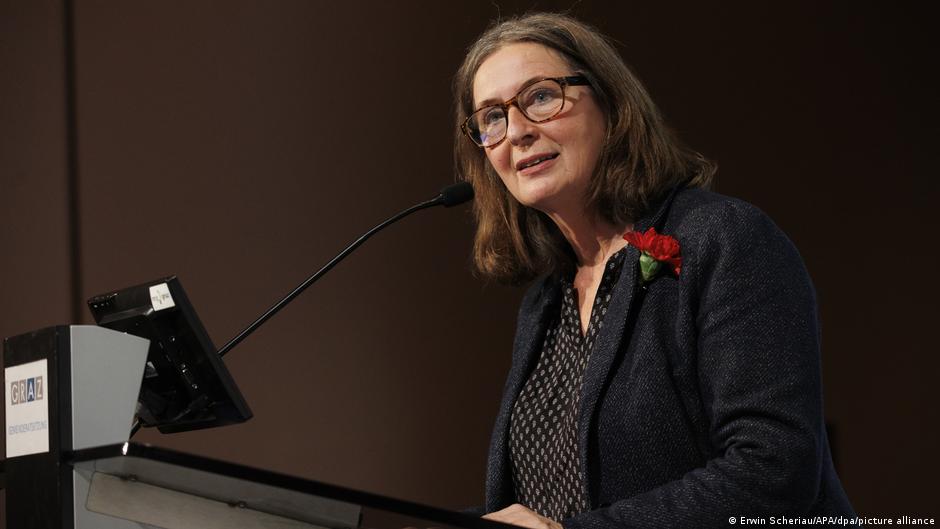
Austria's Communist Party wins Graz municipal elections with a focus on housing, impacting EU politics and raising interest in British and European markets.

Right-wing businessman Abelardo de la Espriella wins Colombia’s presidency, prompting UK and EU market interest amid potential impacts on sterling and trade relations.

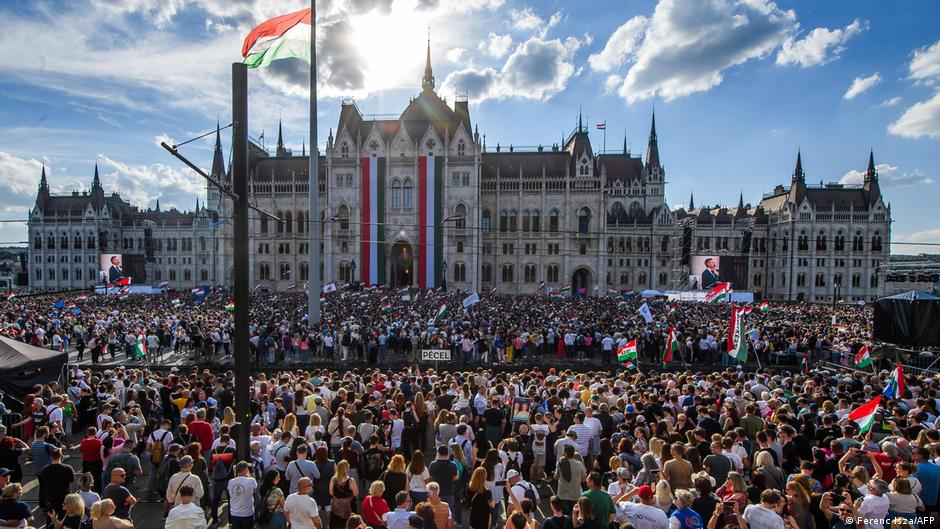
Hungary’s parliament limits prime minister terms, barring Viktor Orban’s return and potentially easing EU tensions; UK markets watch closely.

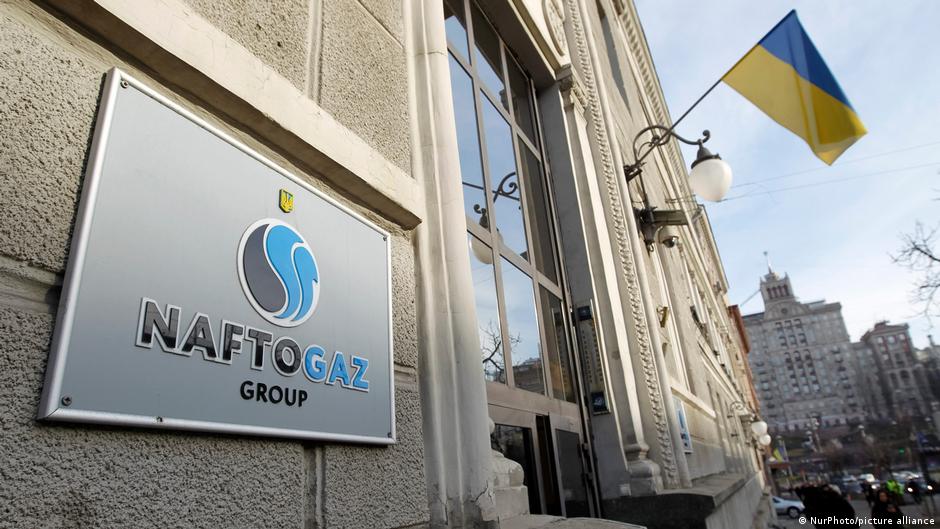
Finland has seized €3.7 million in Russian funds following Naftogaz’s legal claims, highlighting EU efforts to enforce arbitration rulings amid ongoing Russia-Ukraine tensions.

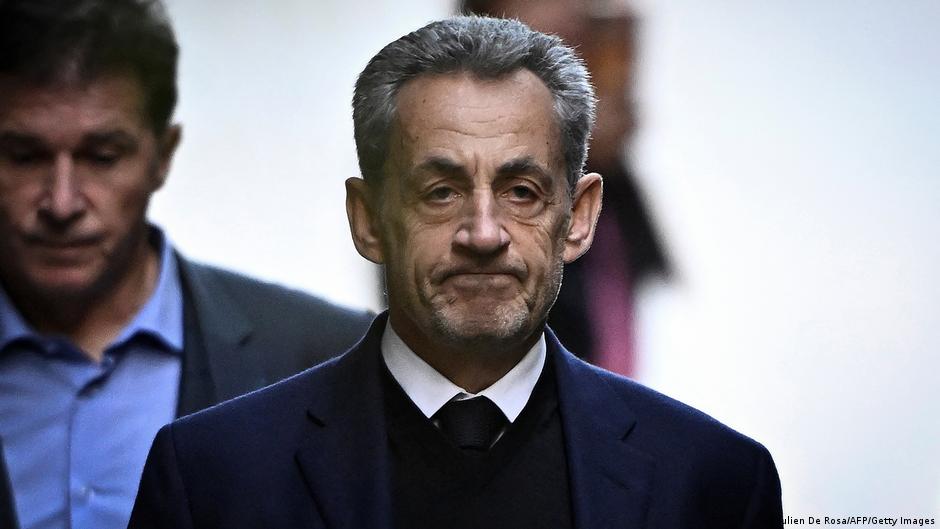
Nicolas Sarkozy has been granted conditional early release in a 2012 campaign finance overspending case, a development with implications for UK and EU market observers.

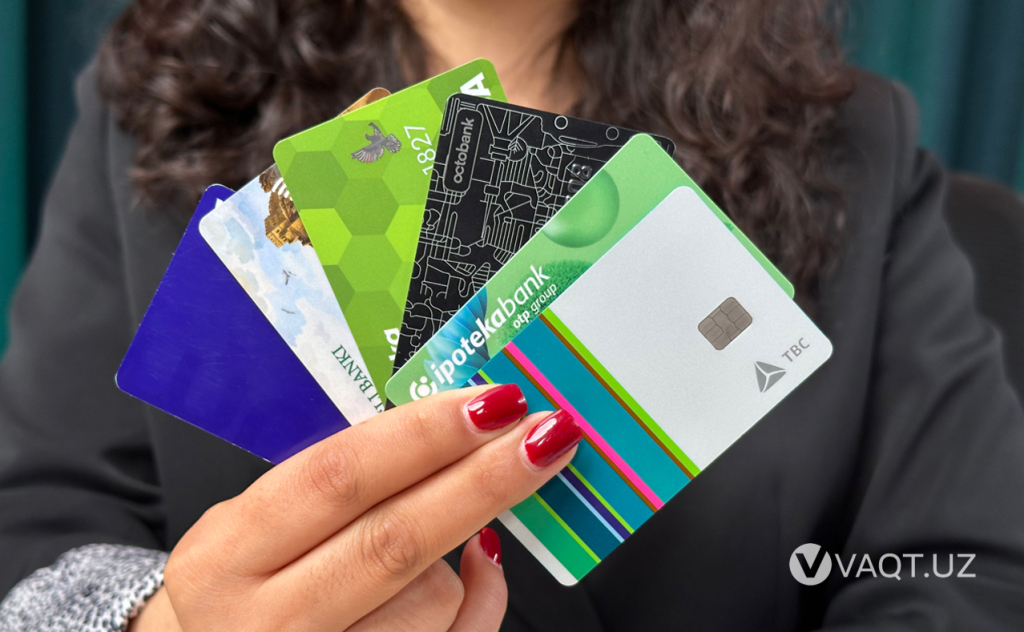
Uzbekistan's new banking rule requires minimum balances on cards during debt repayments, influencing sterling flows and London market exposure.

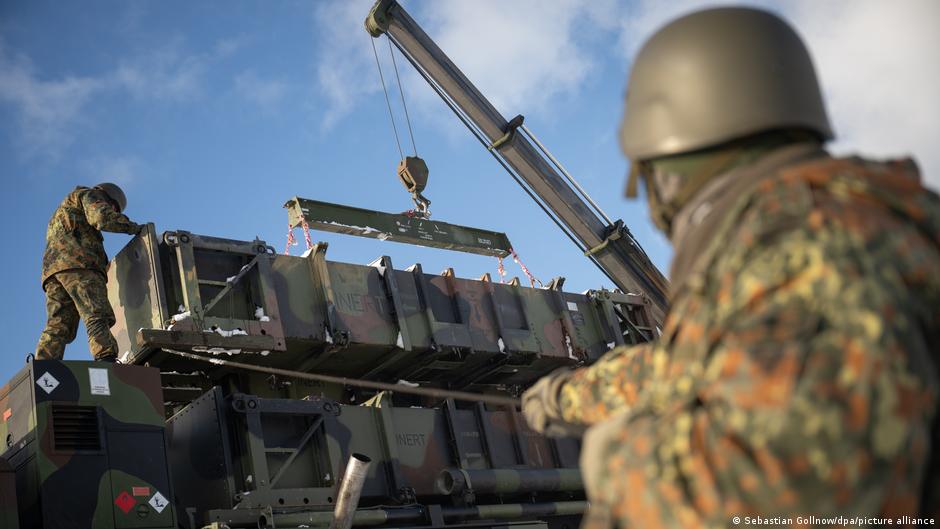
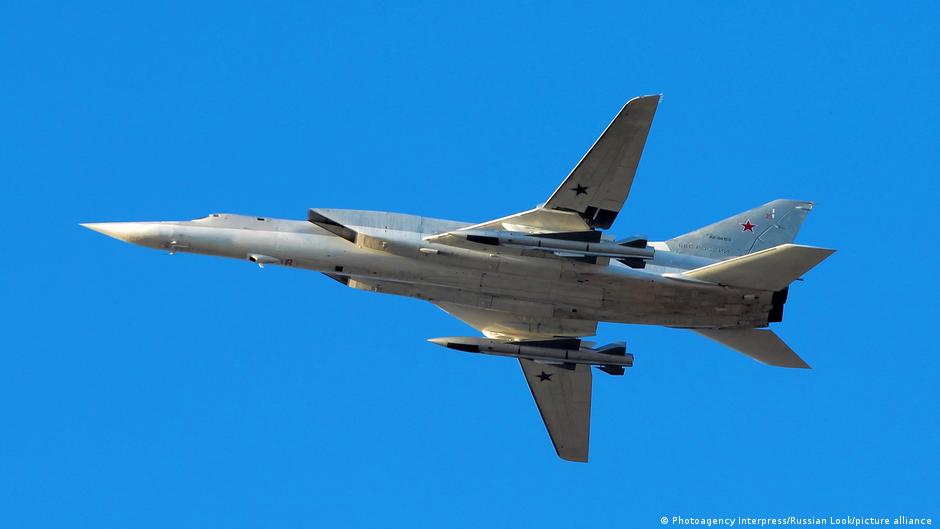
NATO jets intercepted Russian bombers over the Baltic Sea, raising security concerns for the UK and EU and impacting London market sentiment amid rising geopolitical tensions.

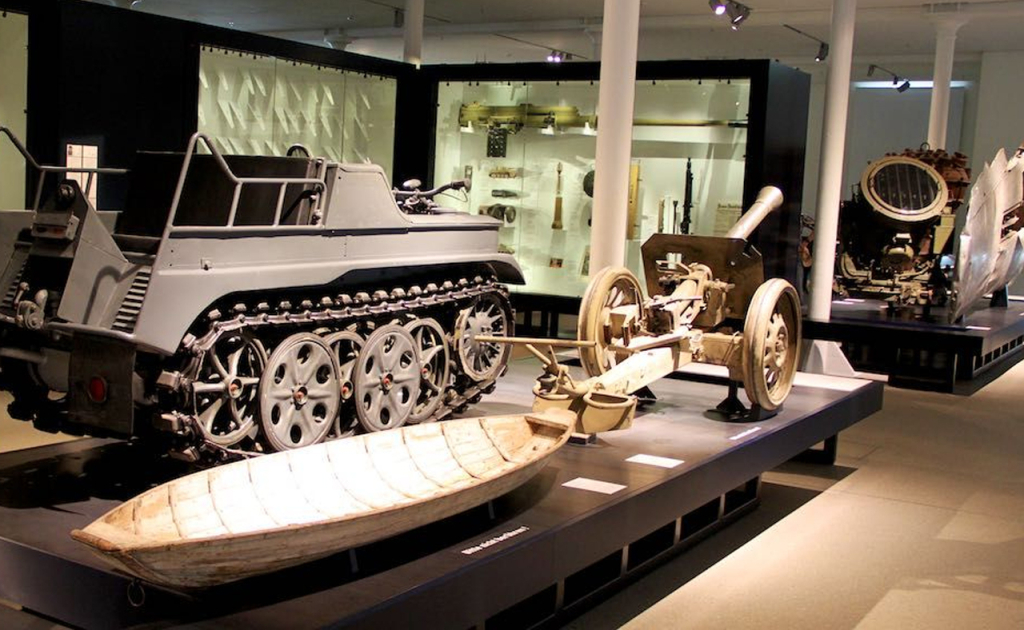
Germany's Bundeswehr Museum restricts entry to Uzbek and Central Asian citizens under new security laws, highlighting evolving European access policies.

Germany’s approval of arms exports to Israel during ongoing conflict impacts UK-EU business interests and influences London’s market dynamics amid geopolitical tensions.